Zero Hunger App.
Research
Usability Testing
Prototyping
UX/UI Design
Client
Pamoja Institute
Team
3 UX designers + 3 engineers
Role
UX Lead
Website
pamojainstitute.org/
The Project
The Zero Hunger project, led by the Pamoja Institute, aims to address food insecurity in Toronto Public Housing by promoting food sovereignty through a digital platform that fosters trust and resource sharing among community members. I collaborated with UX designers and engineers to build the app from scratch.
The Challenge
Traditional food assistance programs provide short-term solutions and do not address the nuances of food insecurity, such as dietary restrictions and the need for sustainable, community-driven support systems.
The Solution
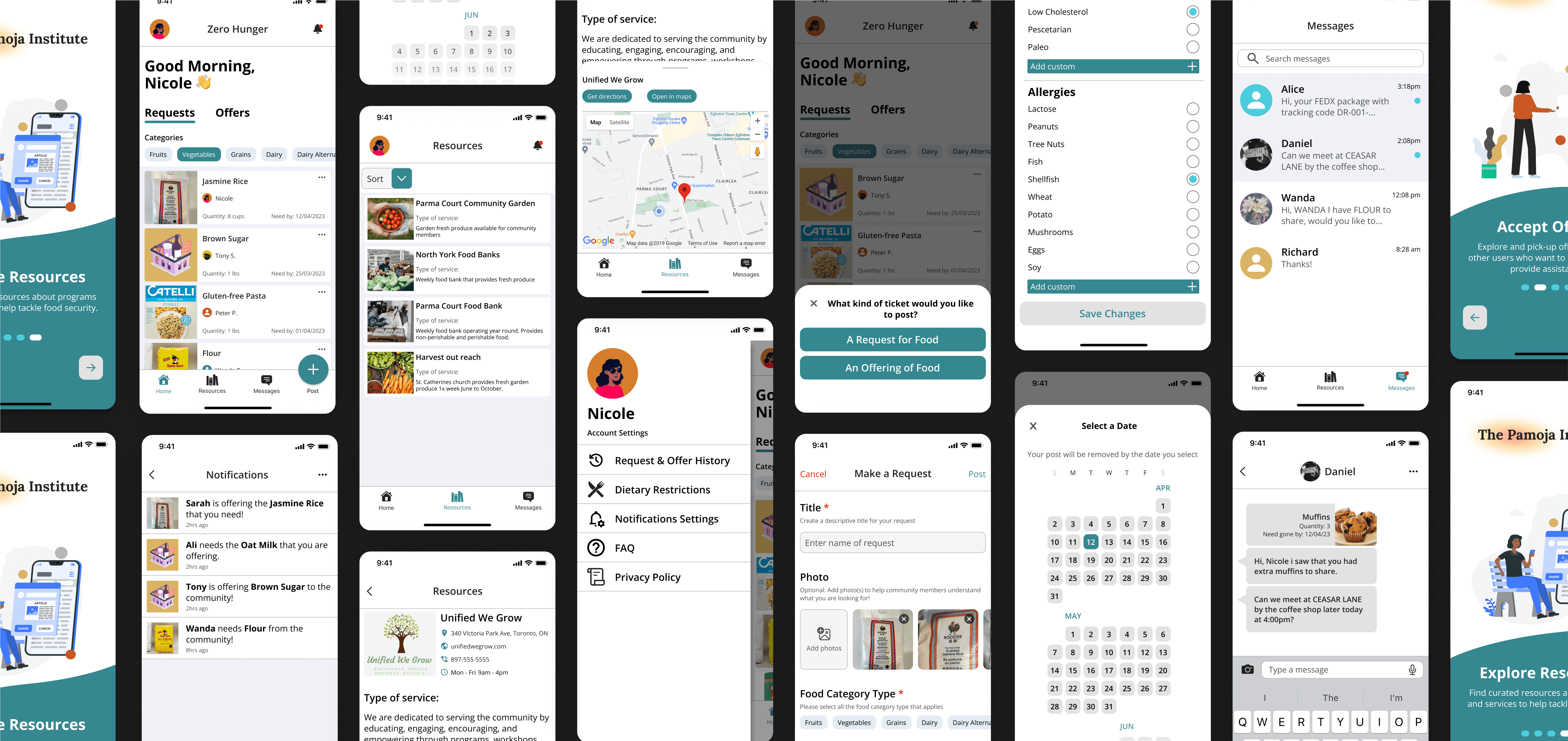
The Zero Hunger app was designed to facilitate peer-to-peer connections among community housing members, leveraging existing social networks to build social capital and promote food sovereignty. The app’s primary features include:
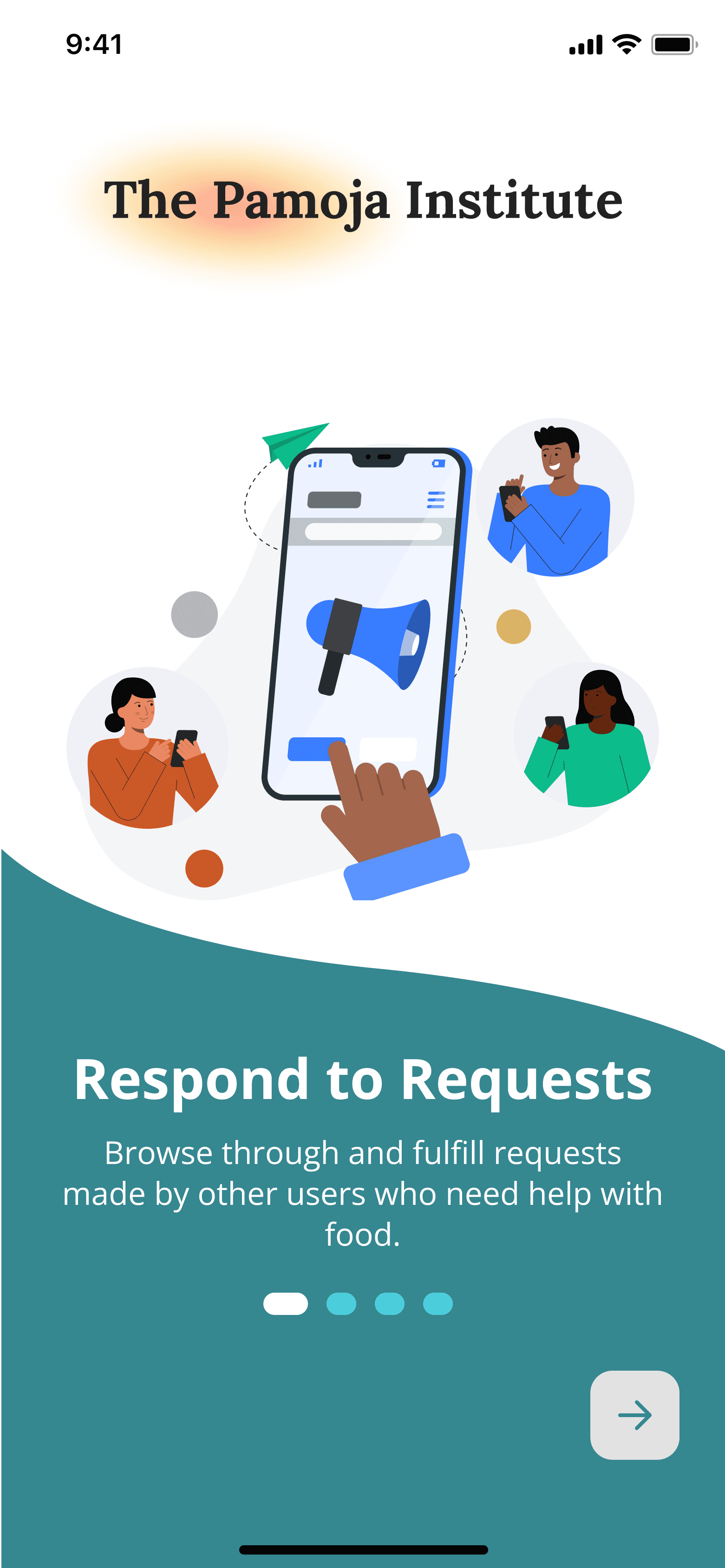
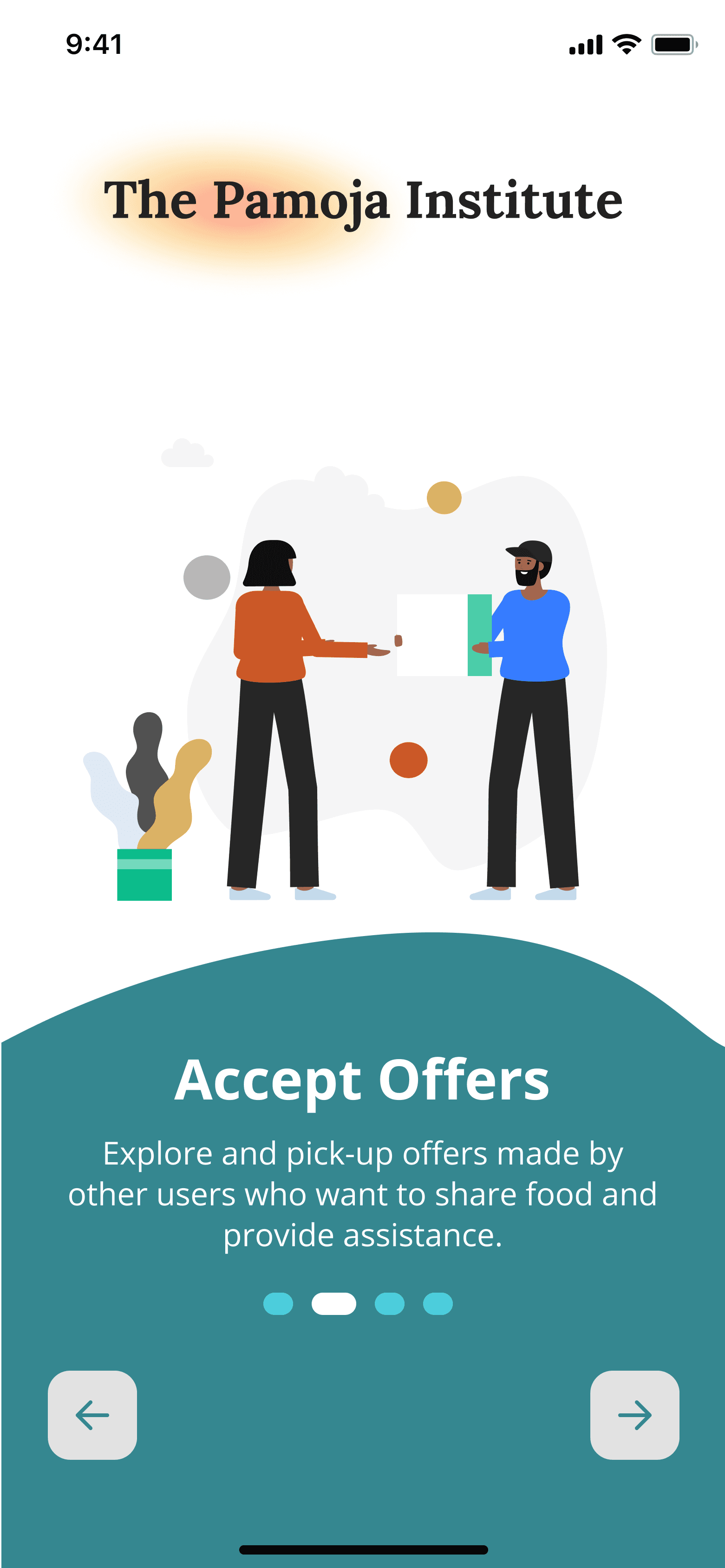
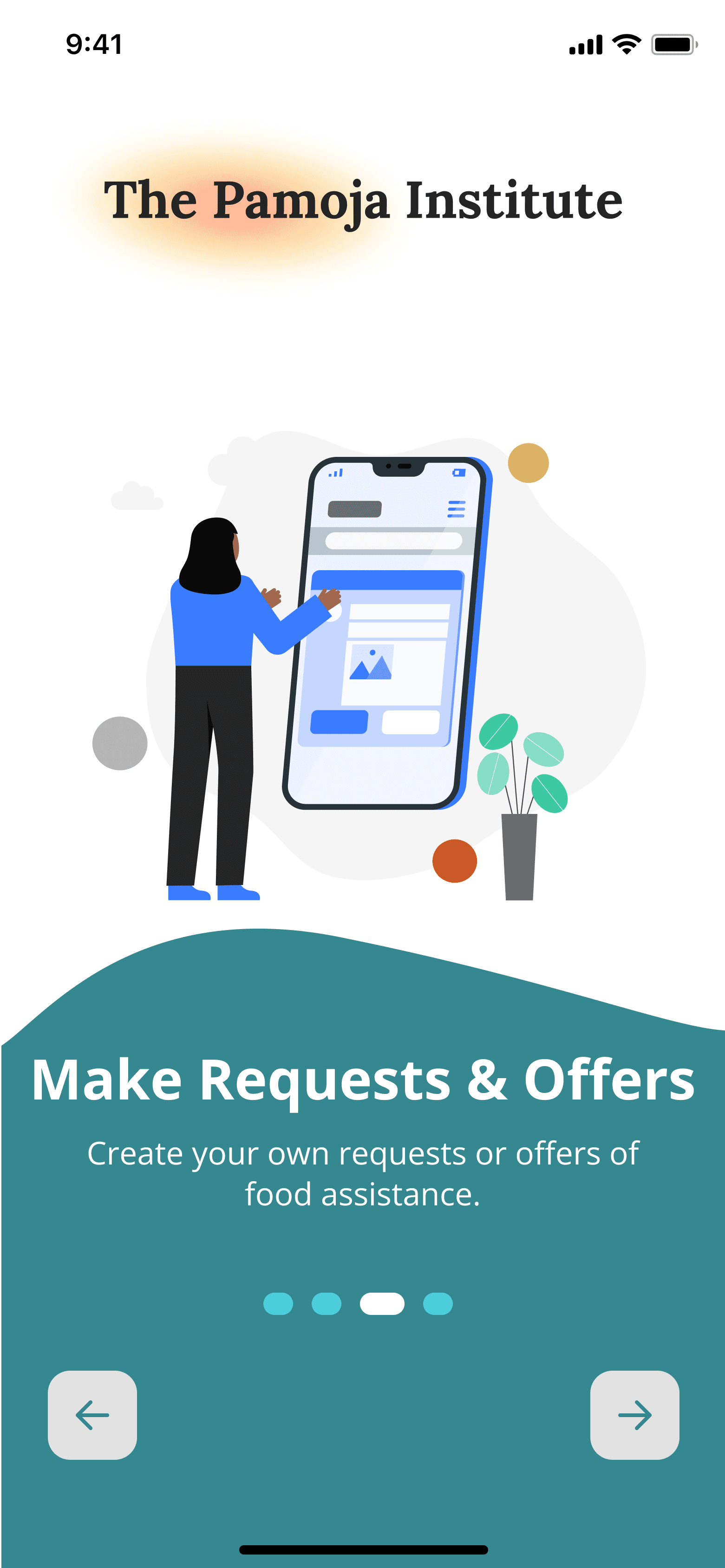
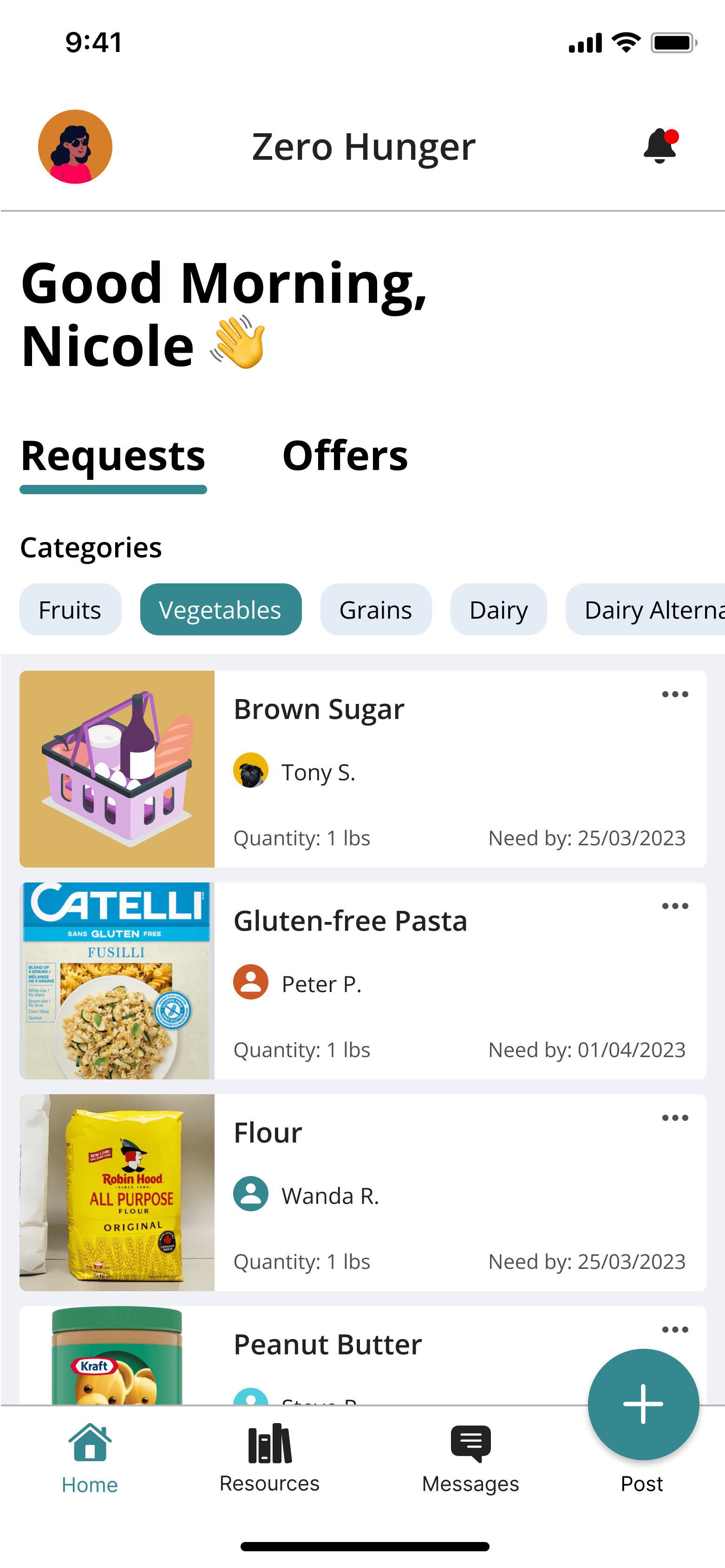
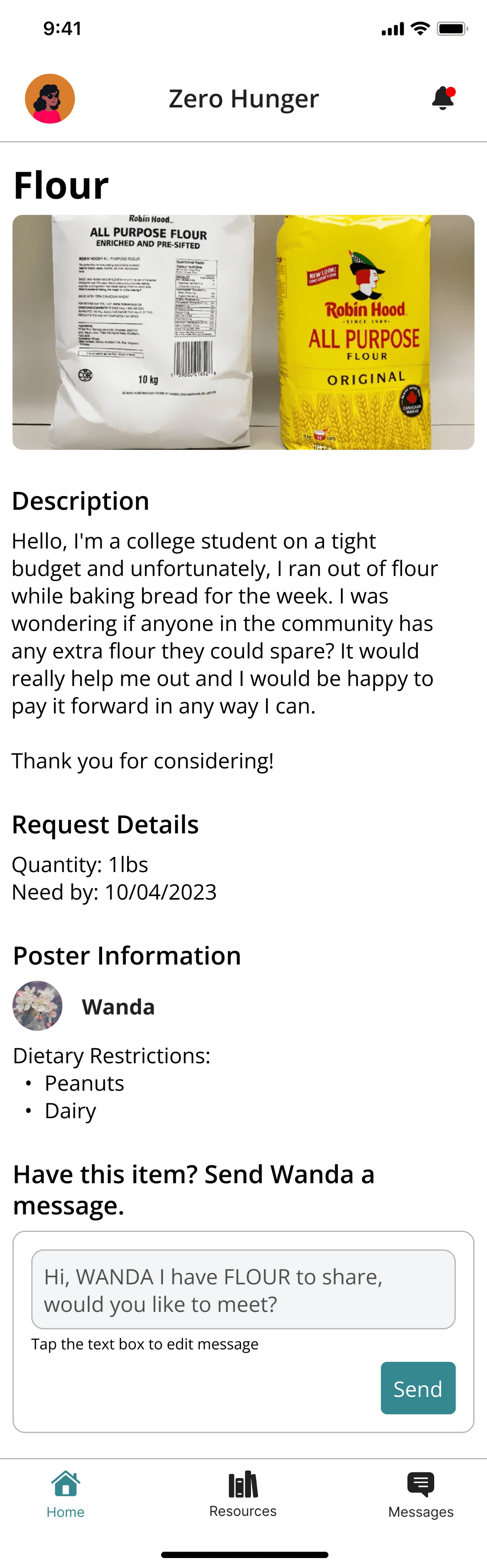
A ticket system for requesting and offering food and services.
A curated pool of tickets based on user needs and trust levels.
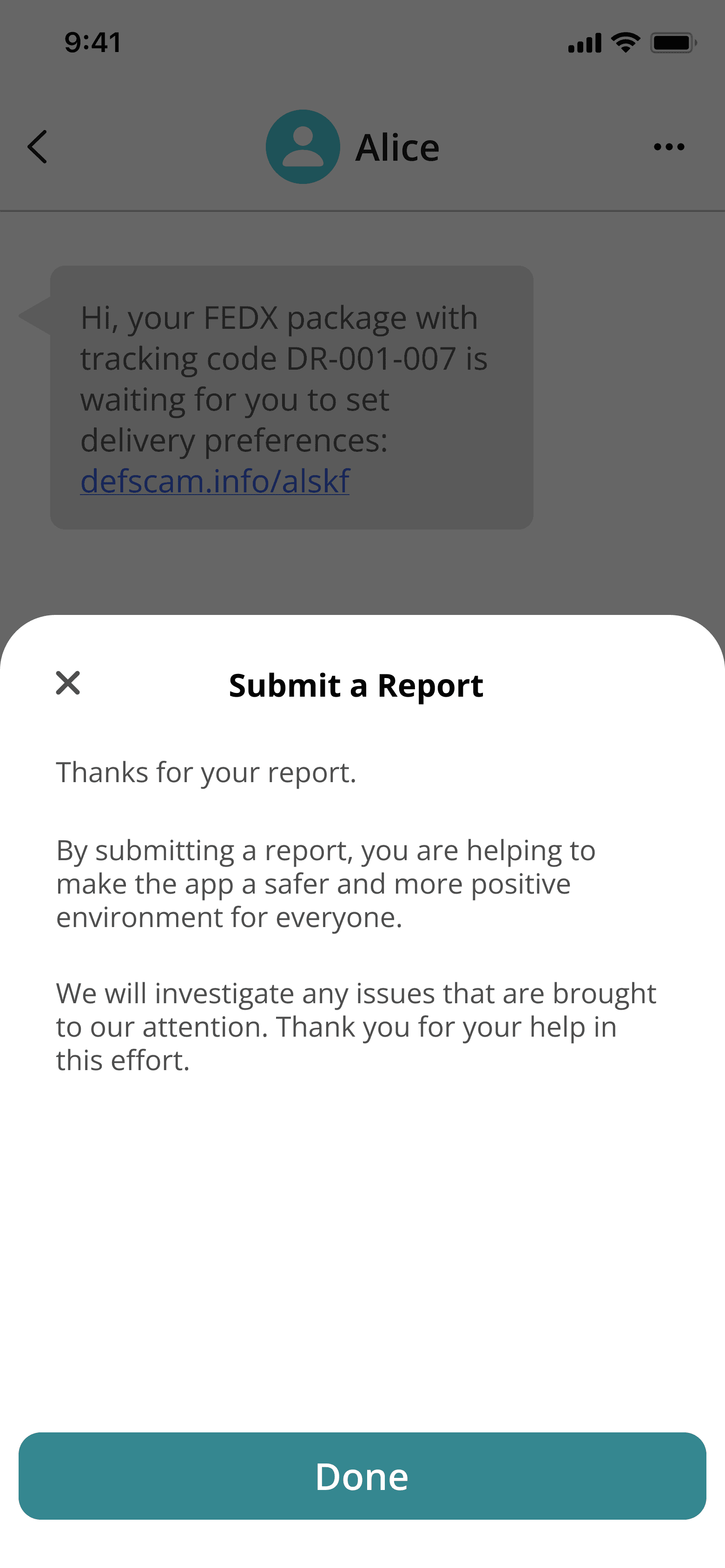
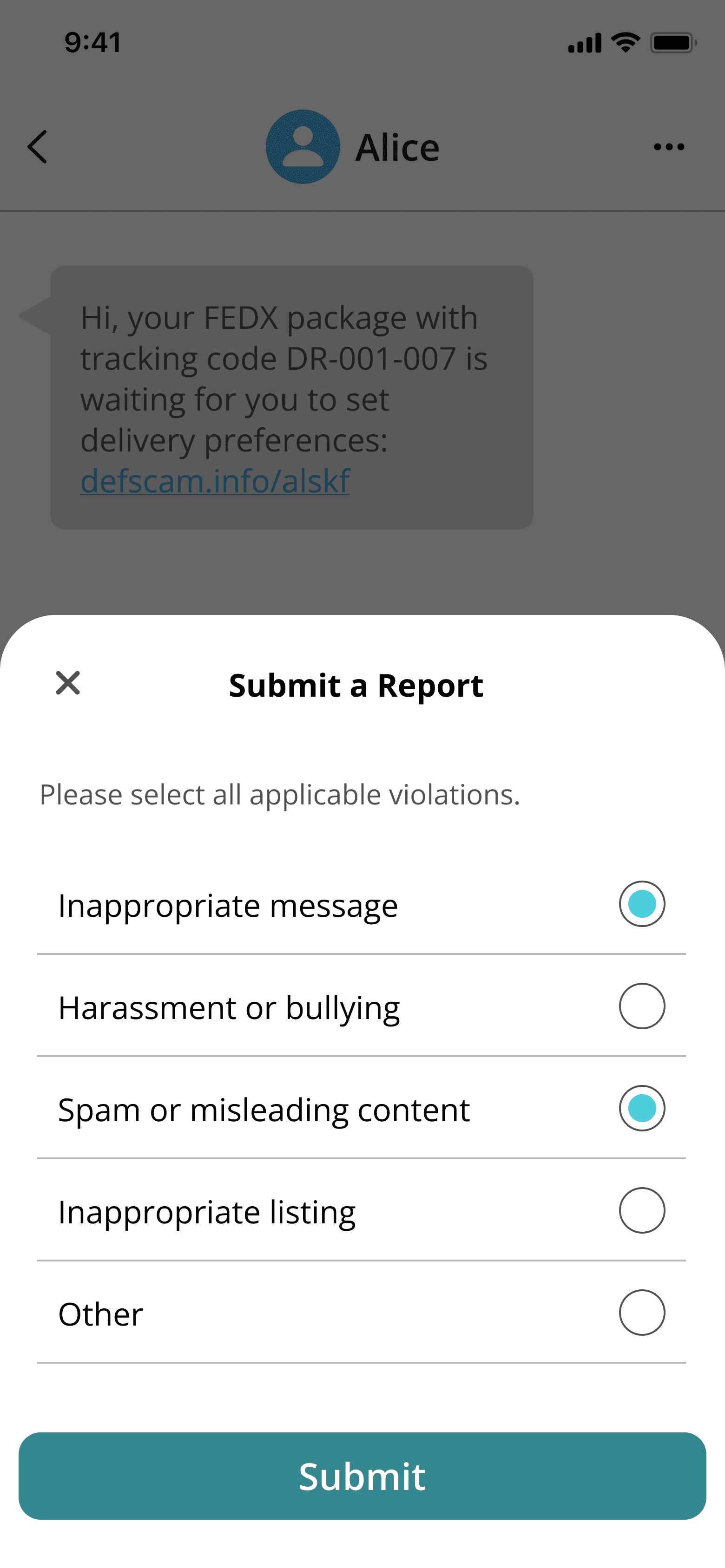
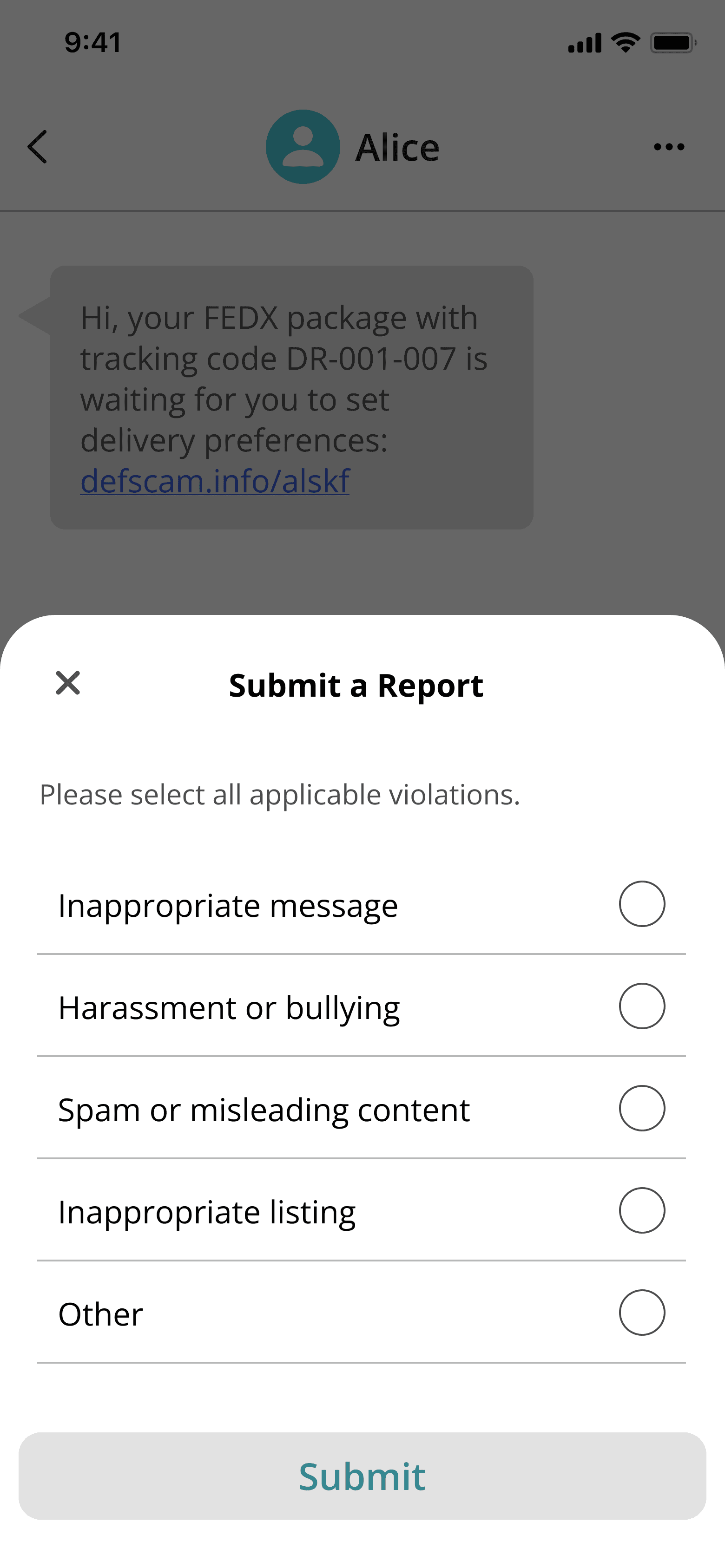
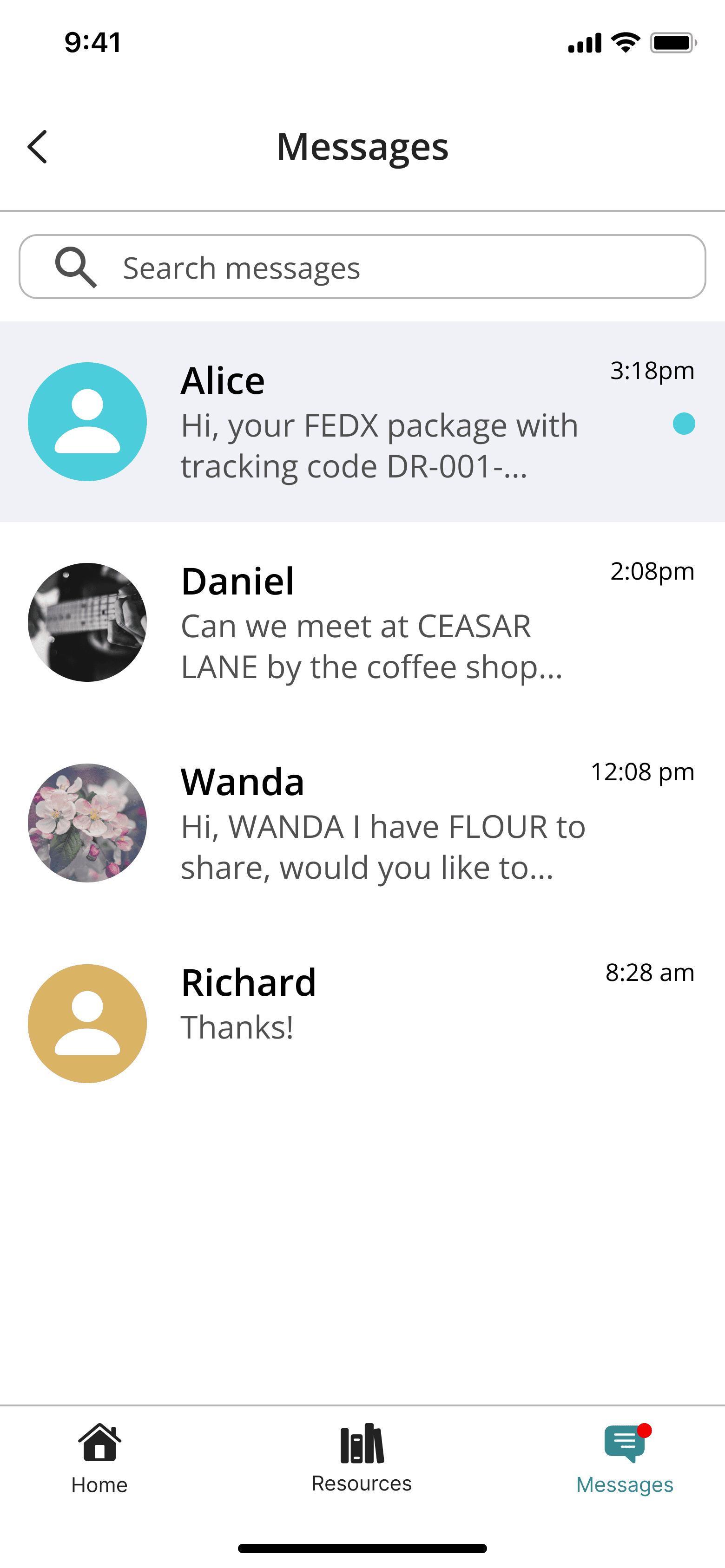
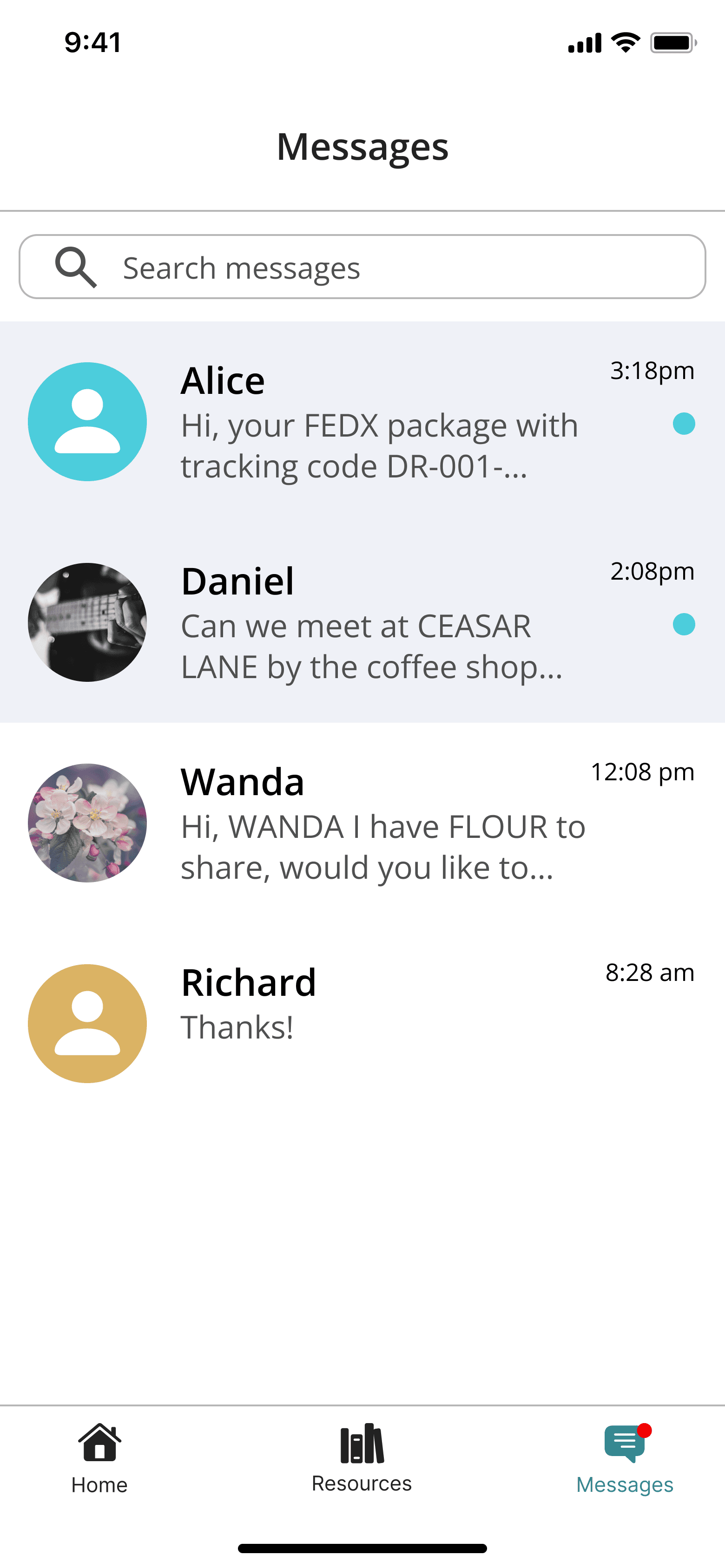
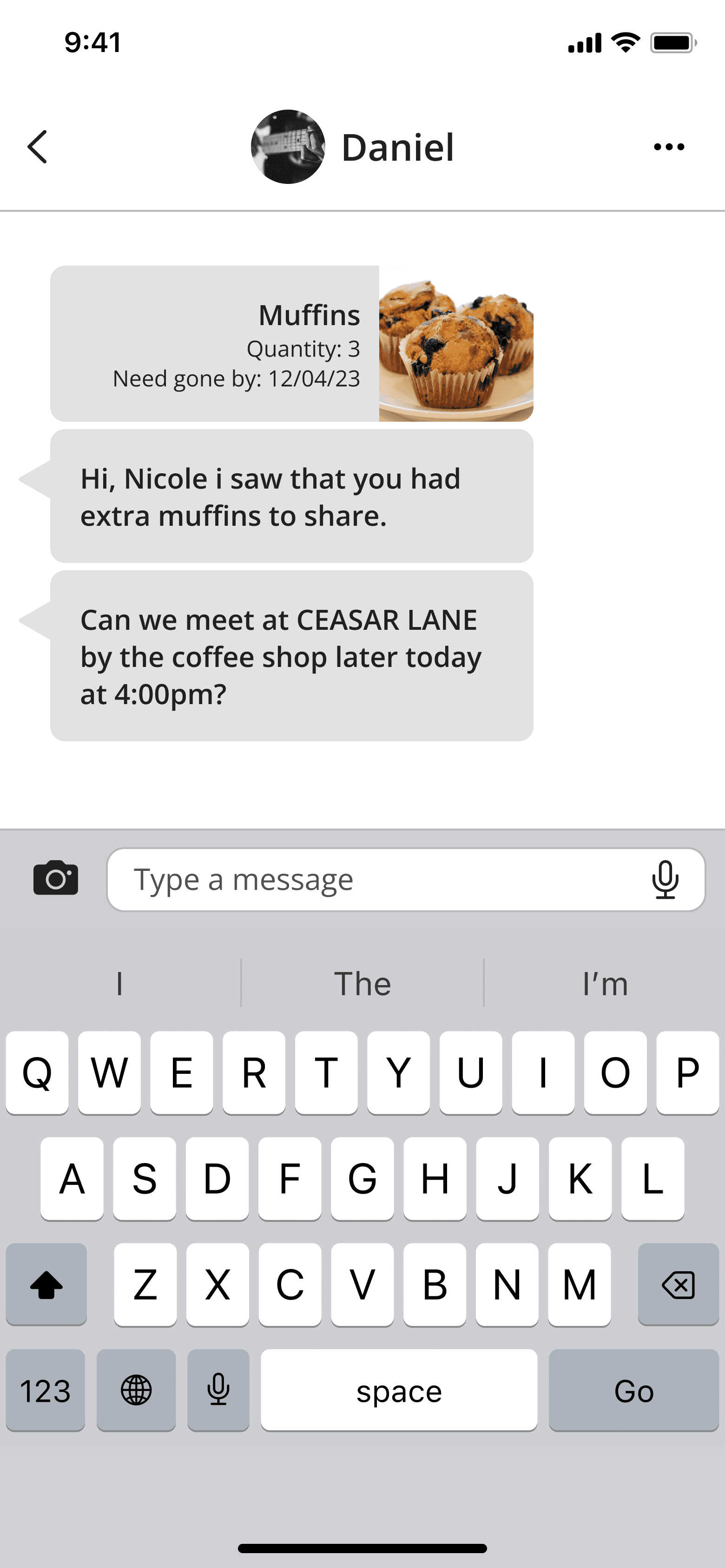
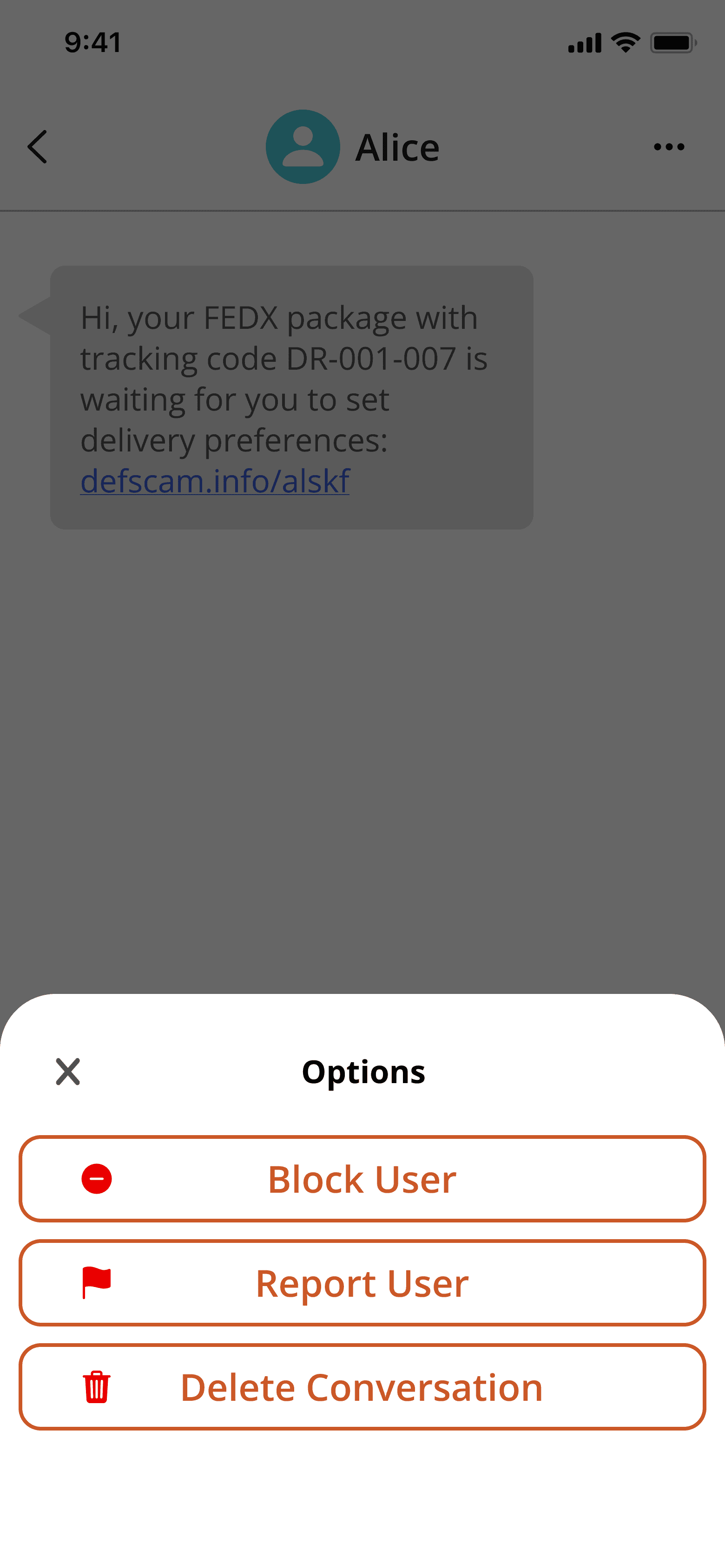
A communication system for safe interaction and engagement.
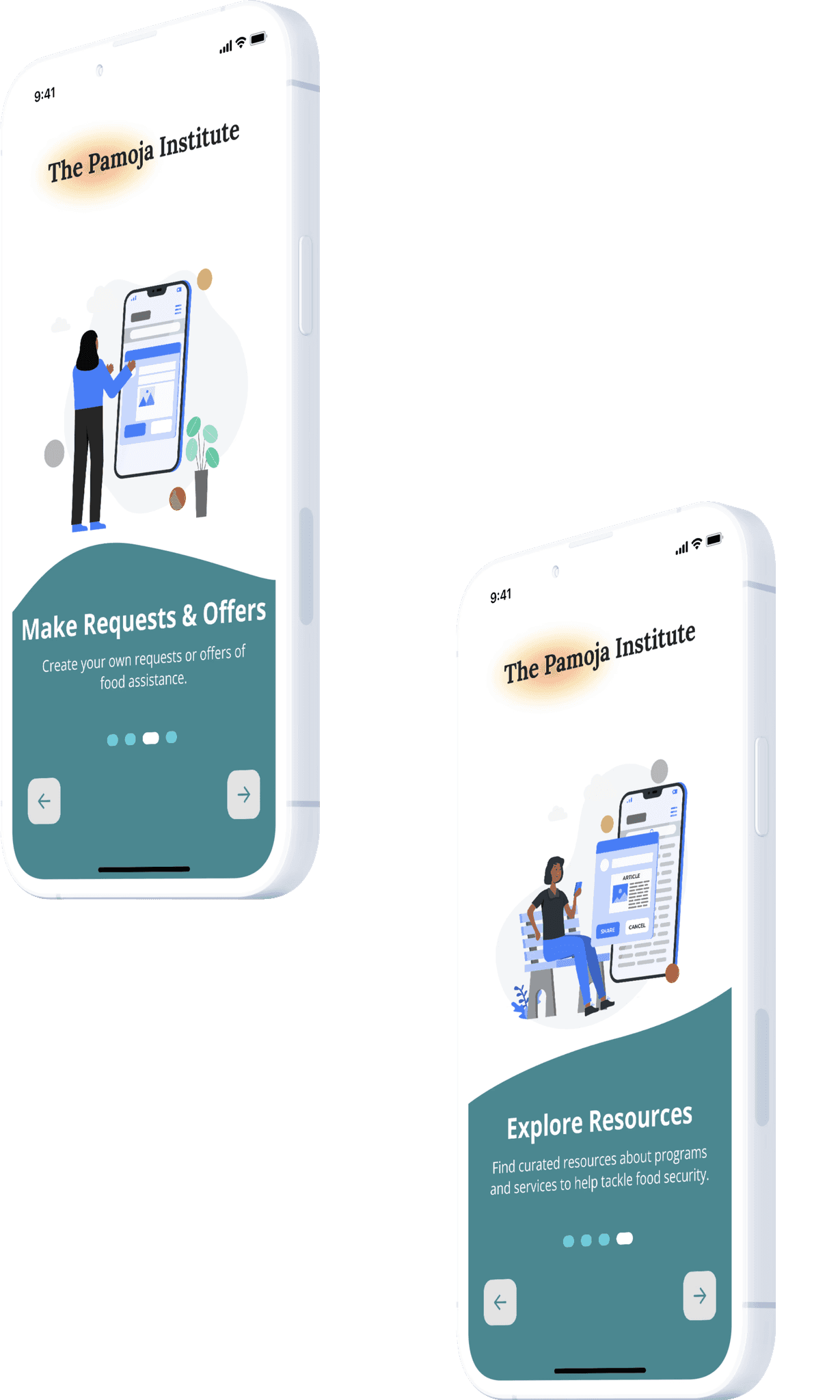
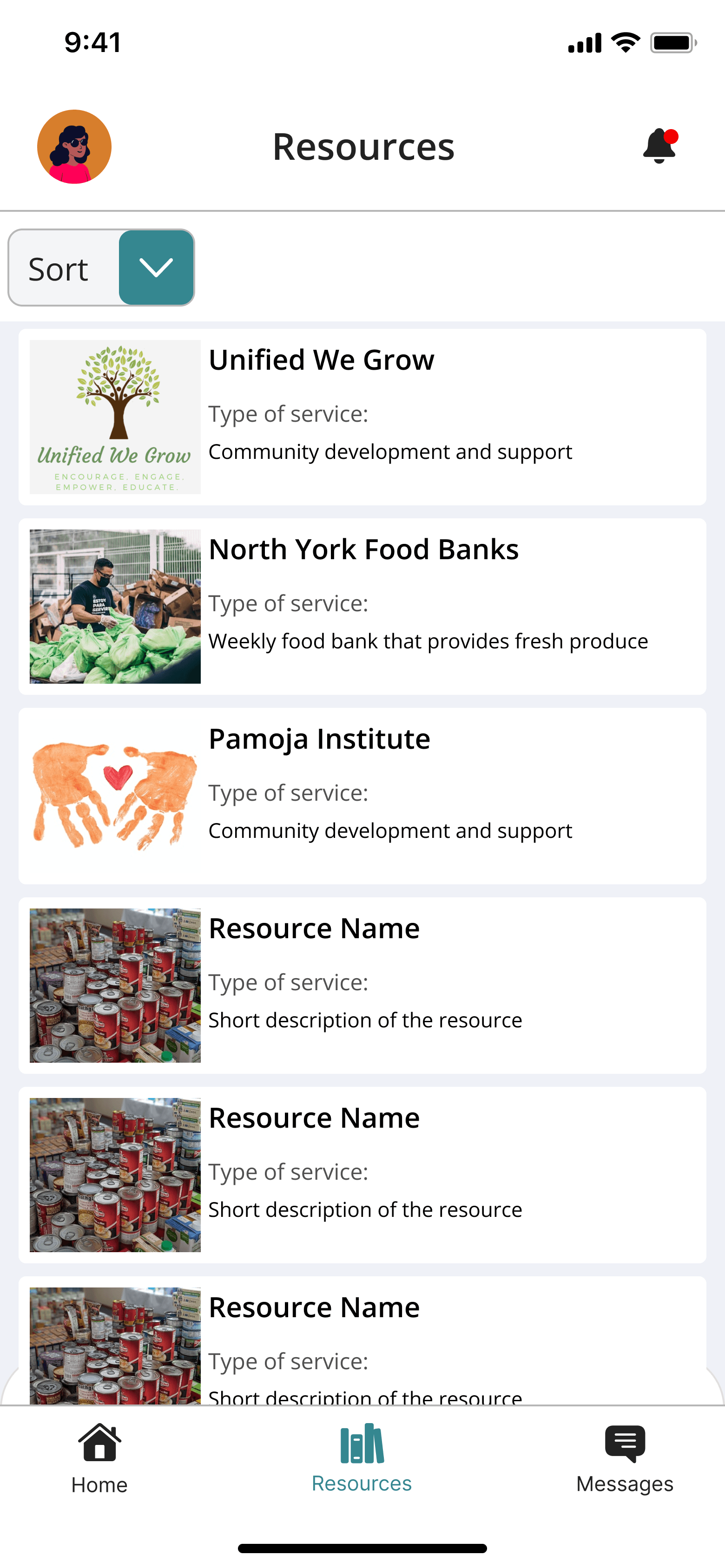
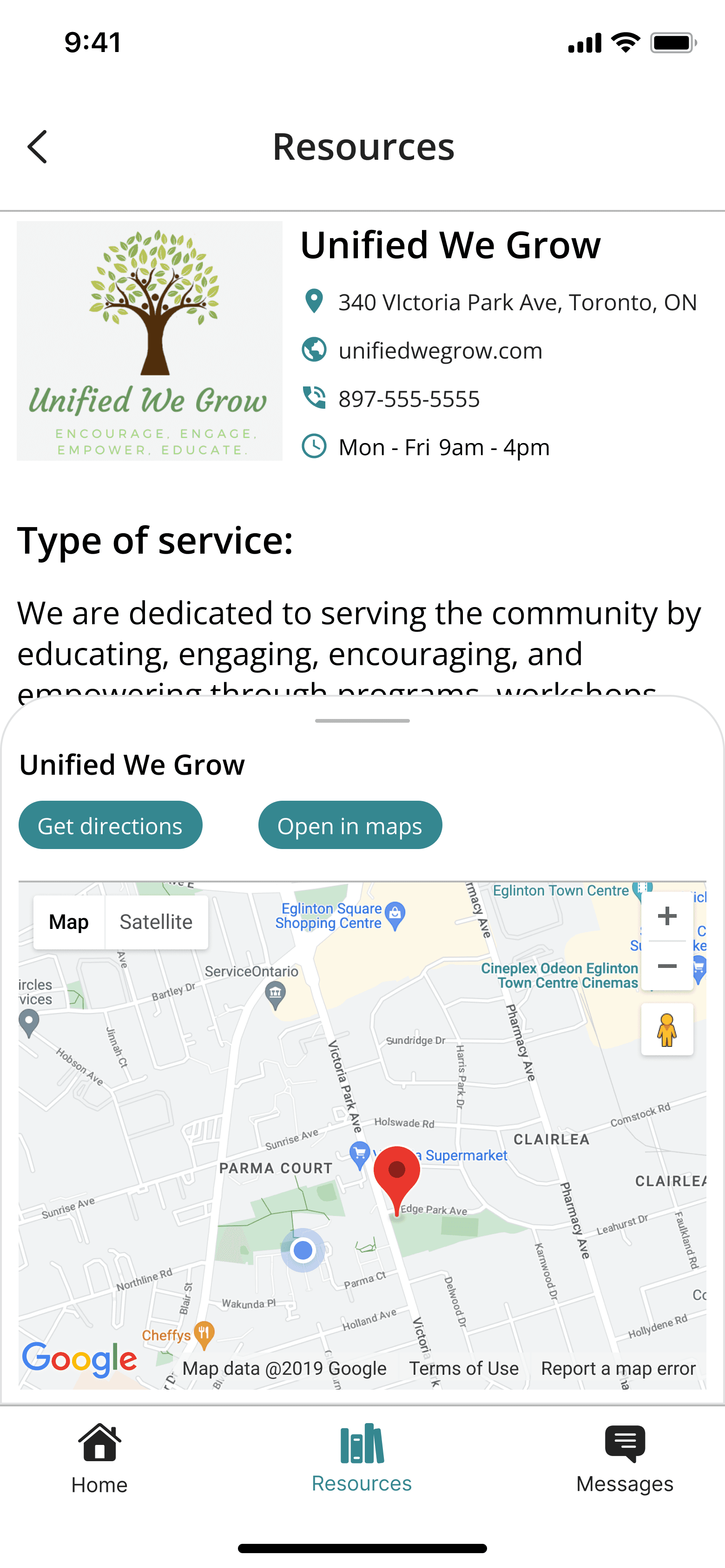
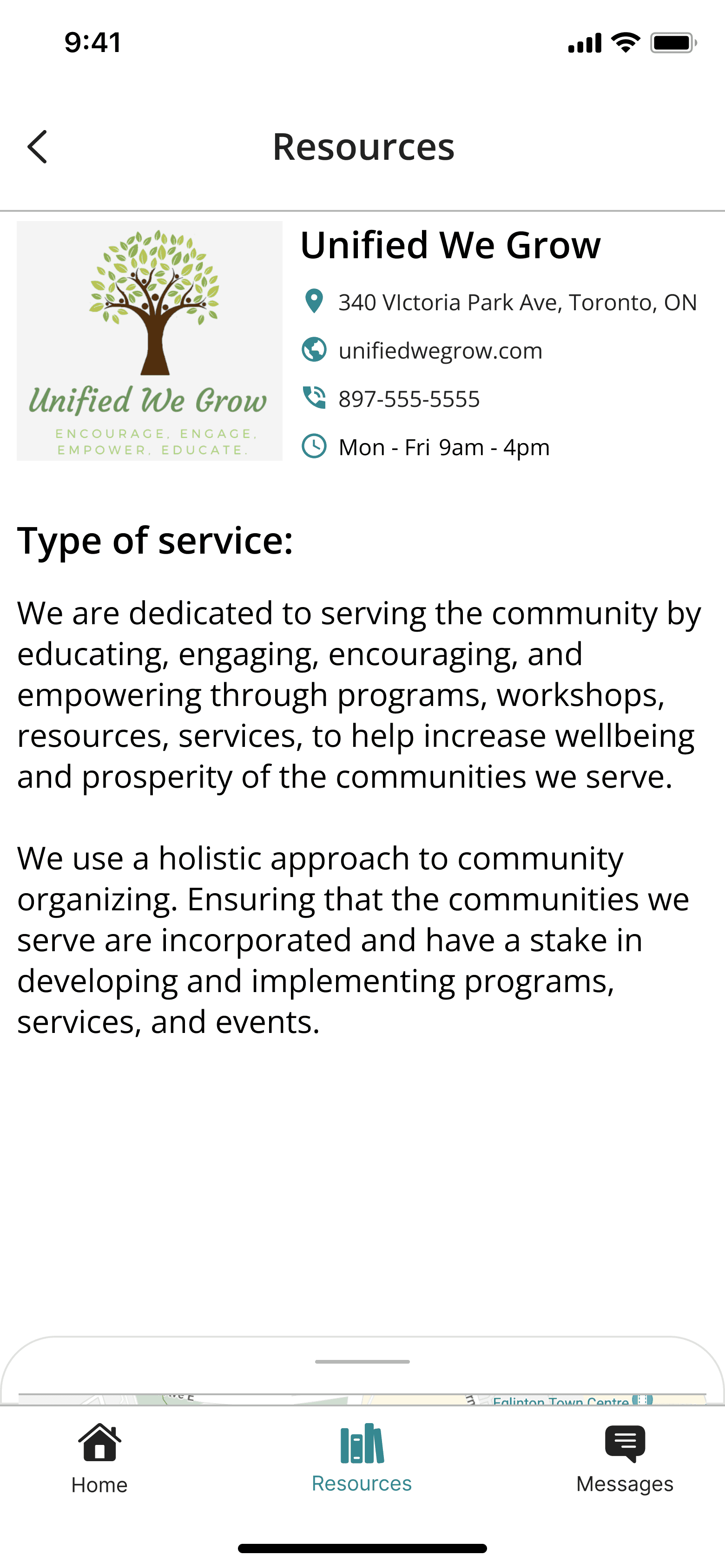
An available resources section highlighting nearby grassroots services.
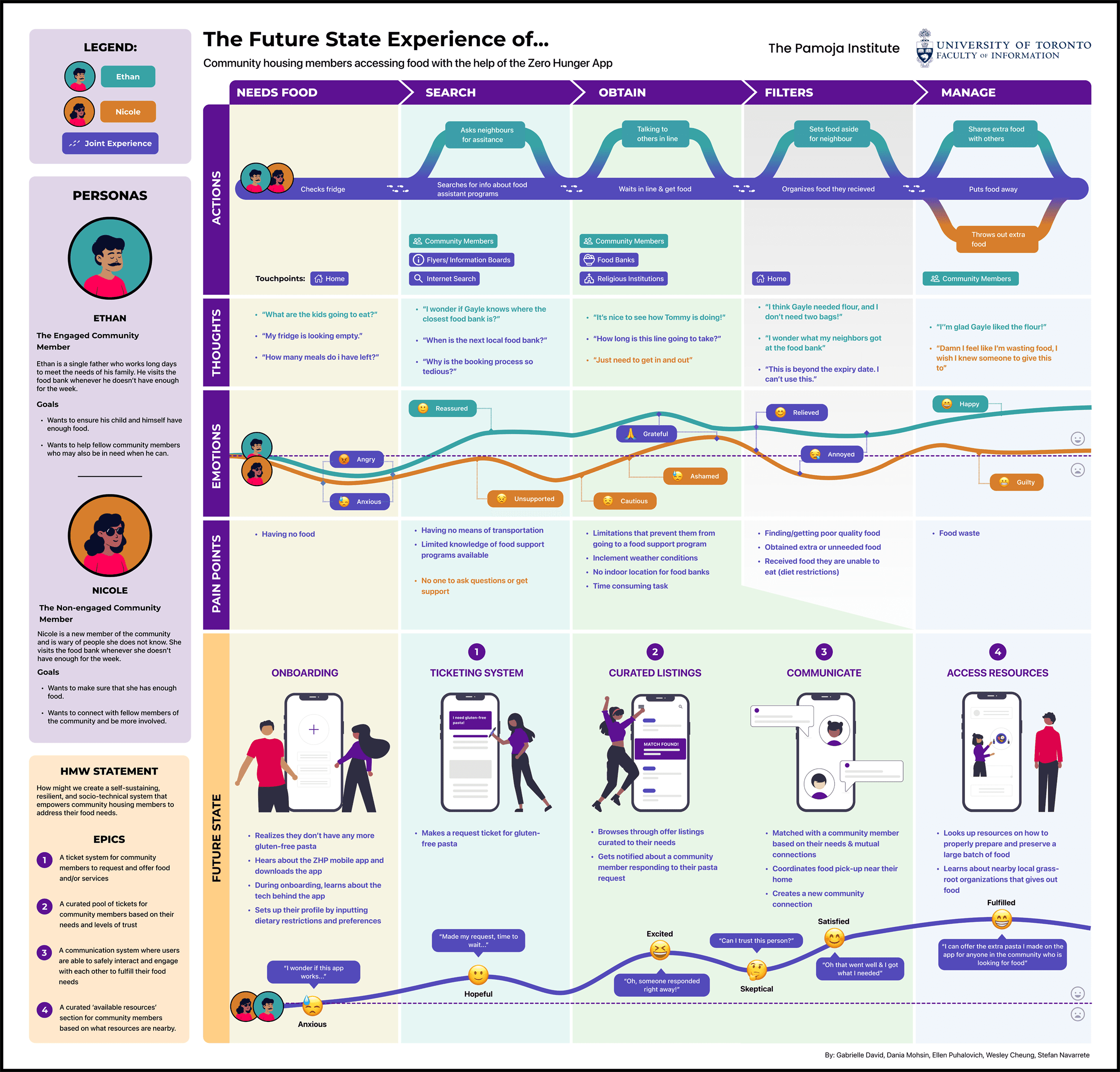
Research and Insights
Conducted secondary research to understand existing food security initiatives and identify gaps.
Engaged in primary research through semi-structured interviews, surveys, and field observations to gain deep insights into the community's goals, motivations, and pain points.

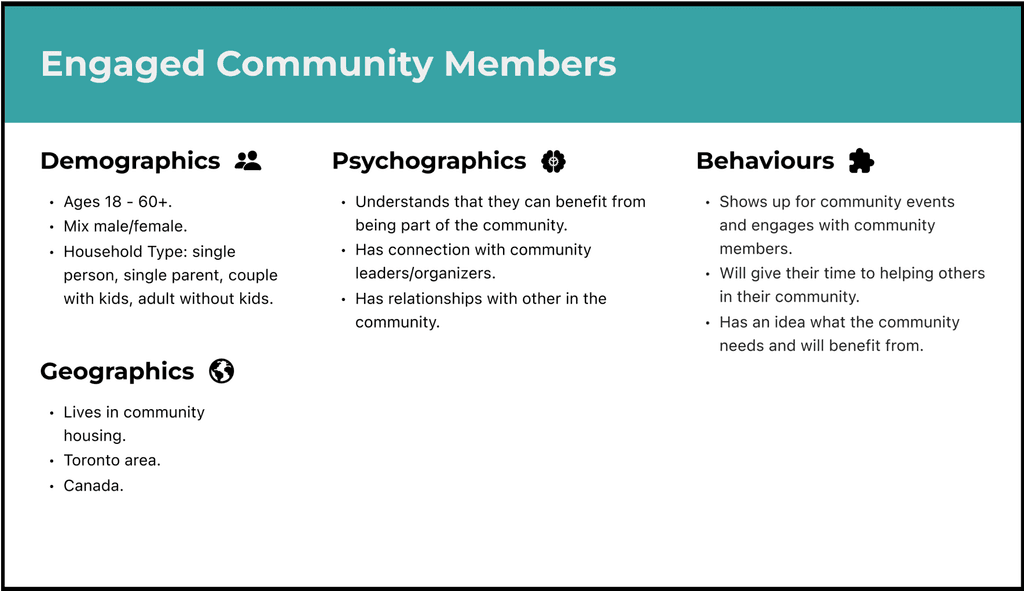


Design Process
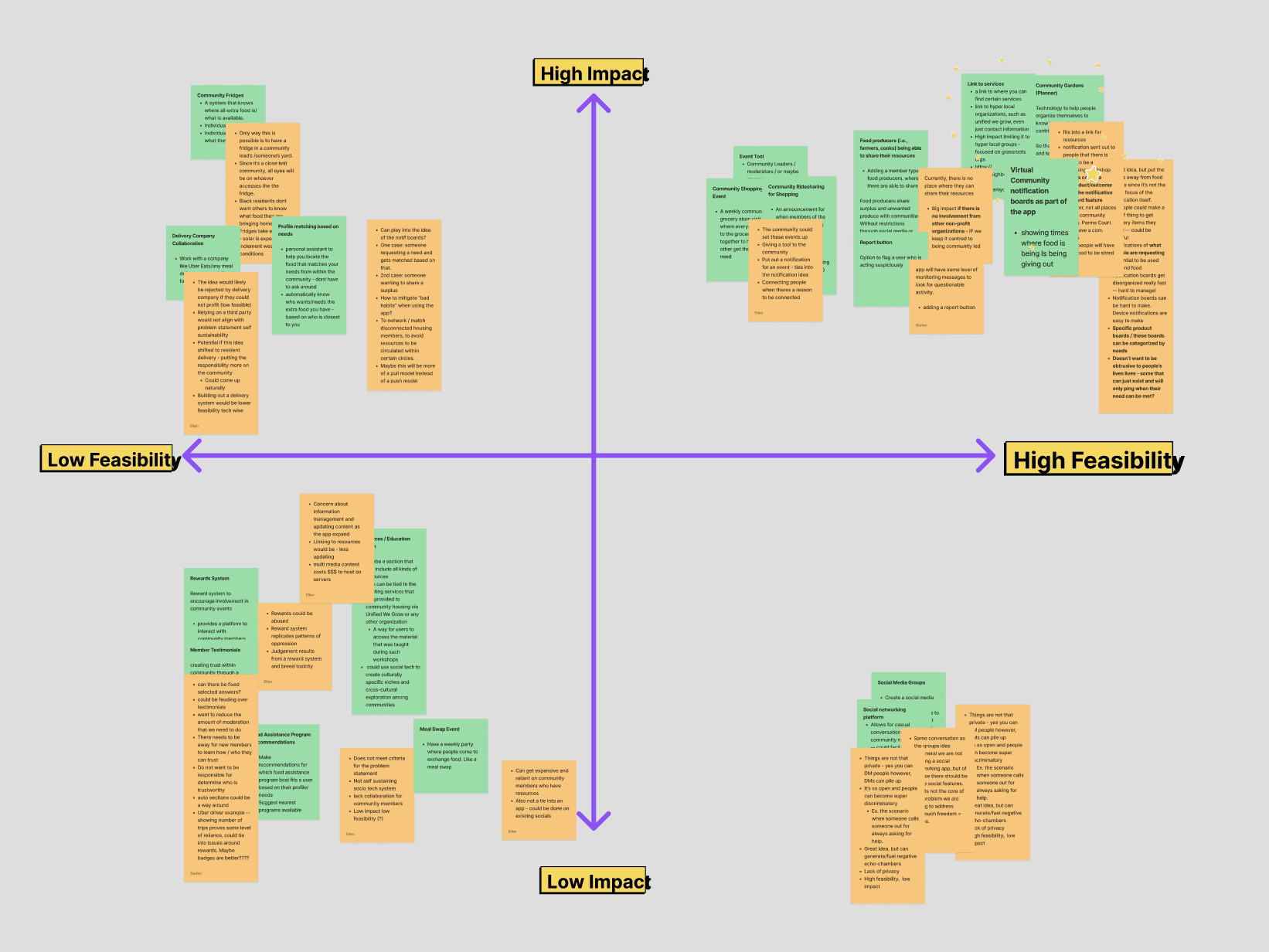
Conducted an ideation workshop with project partners to generate and prioritize ideas.
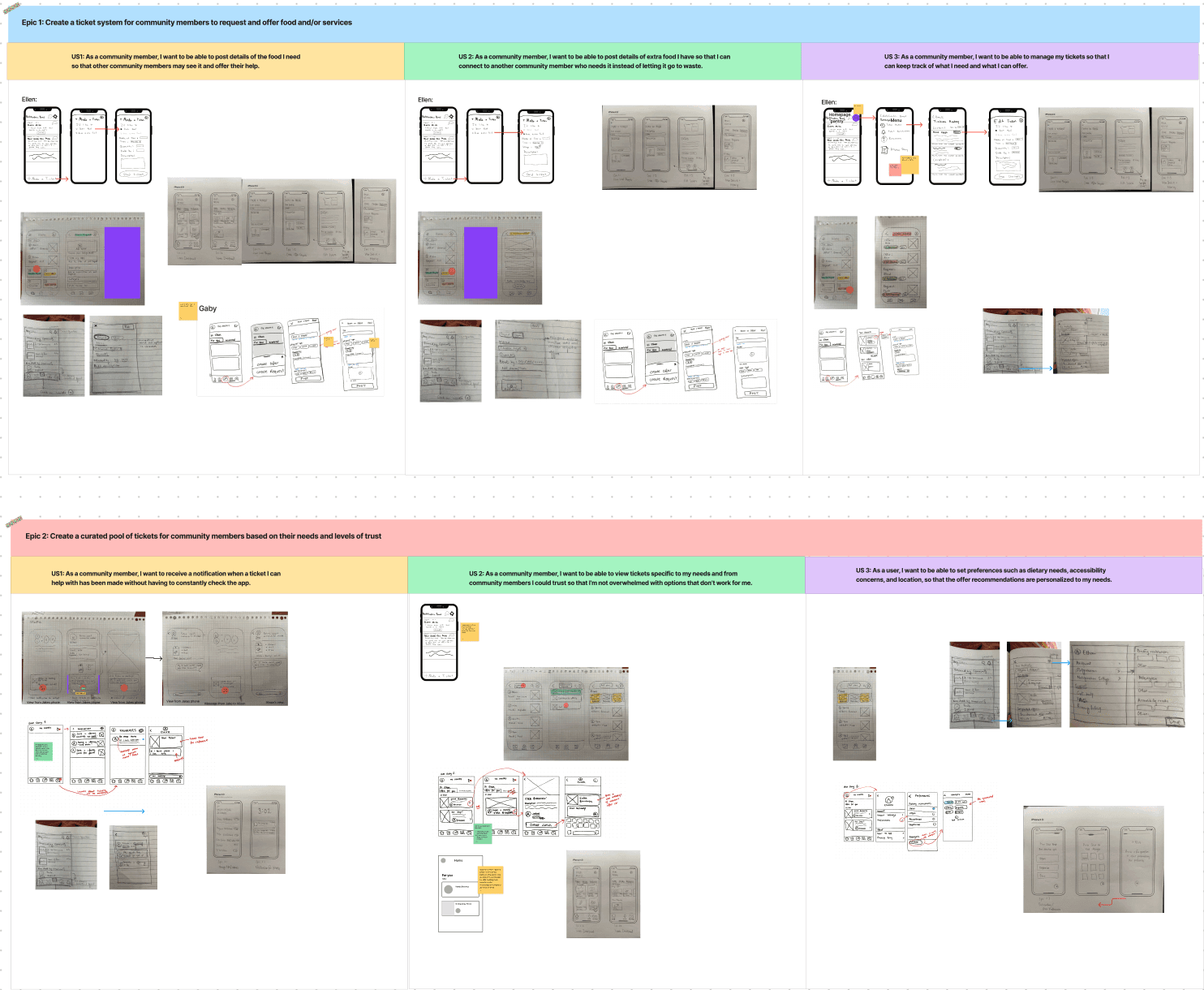
Developed four key epics and eleven user stories to define the project scope.
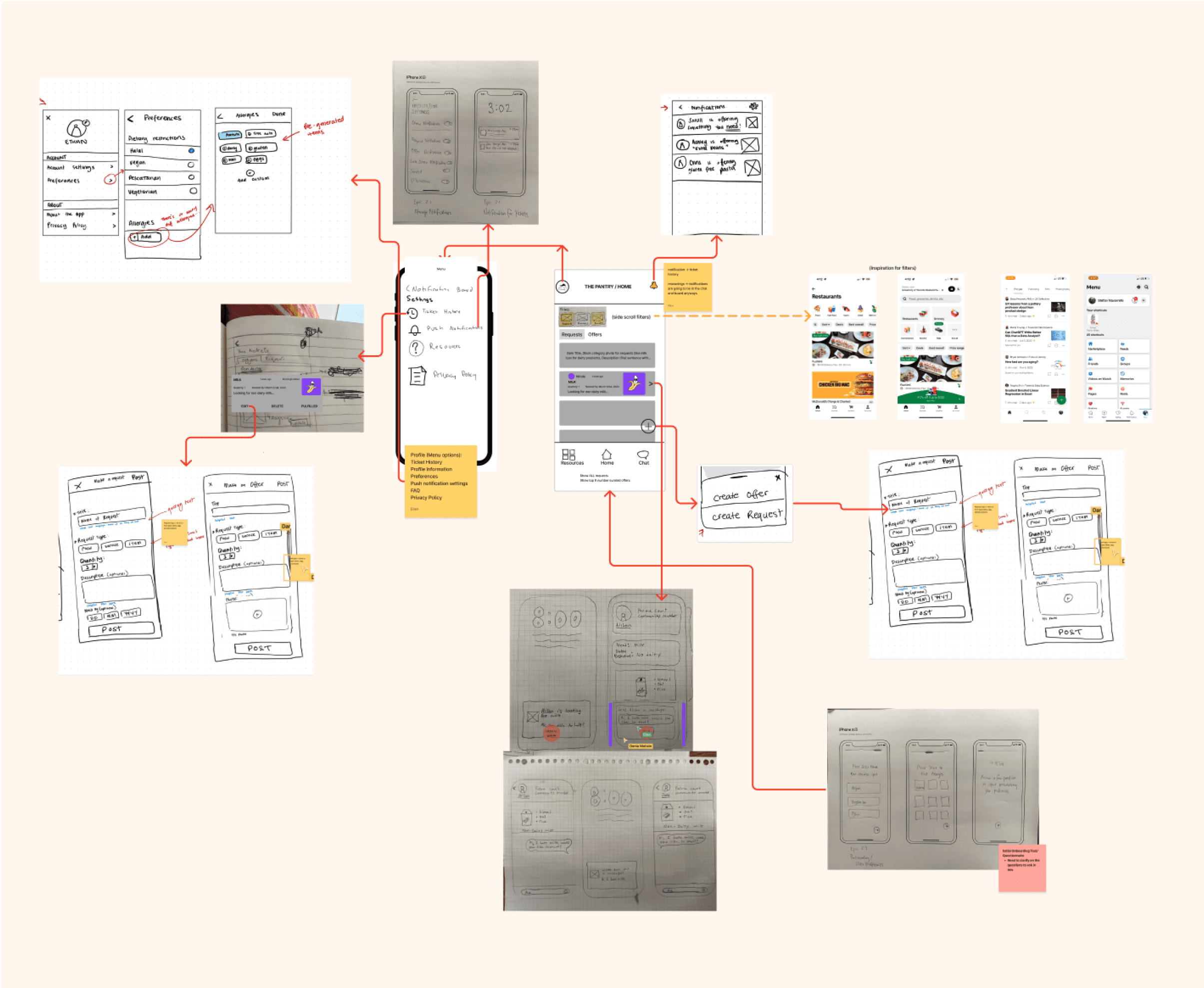
Created sitemap + low-fidelity sketches to explore various design ideas.
Developed a medium-fidelity prototype and conducted Wizard of Oz usability testing with five users to gather early feedback.
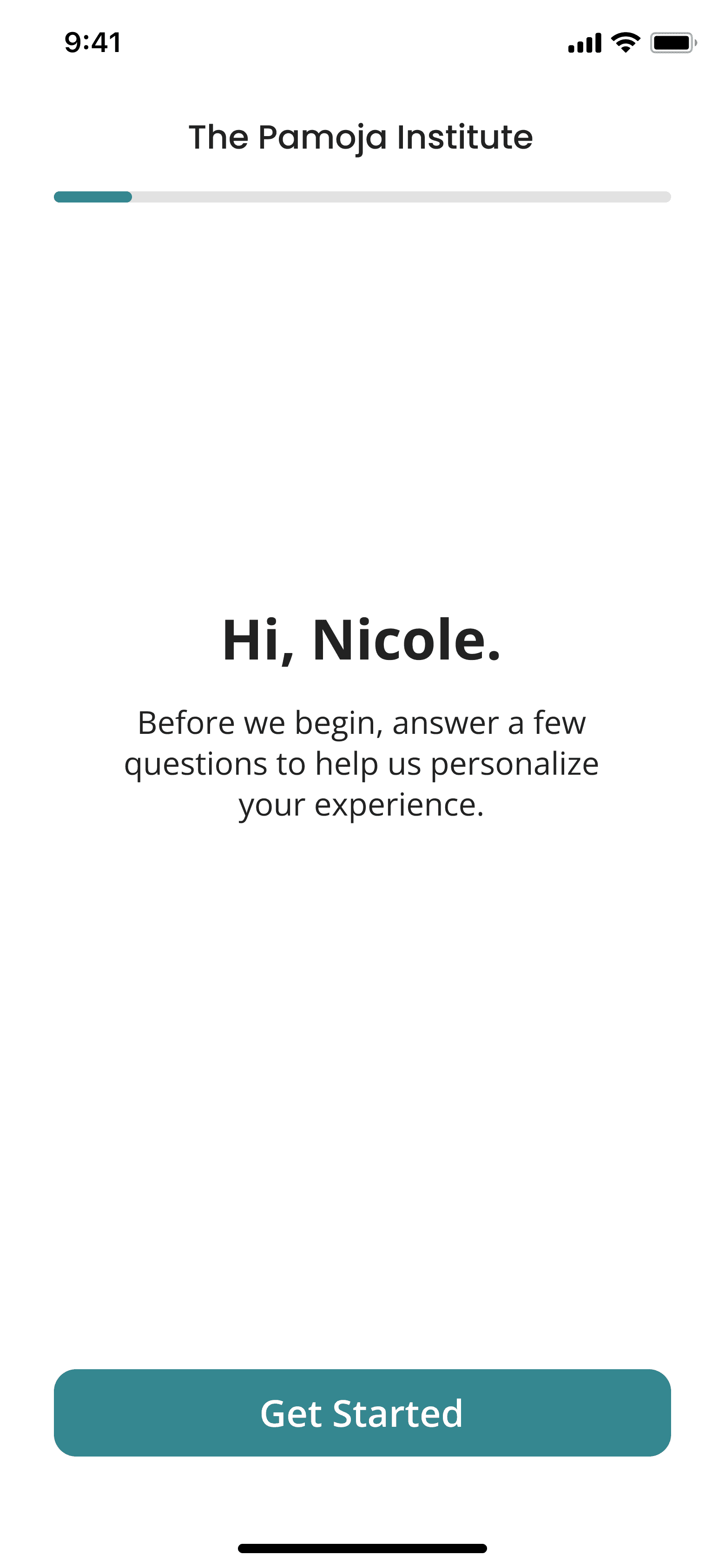
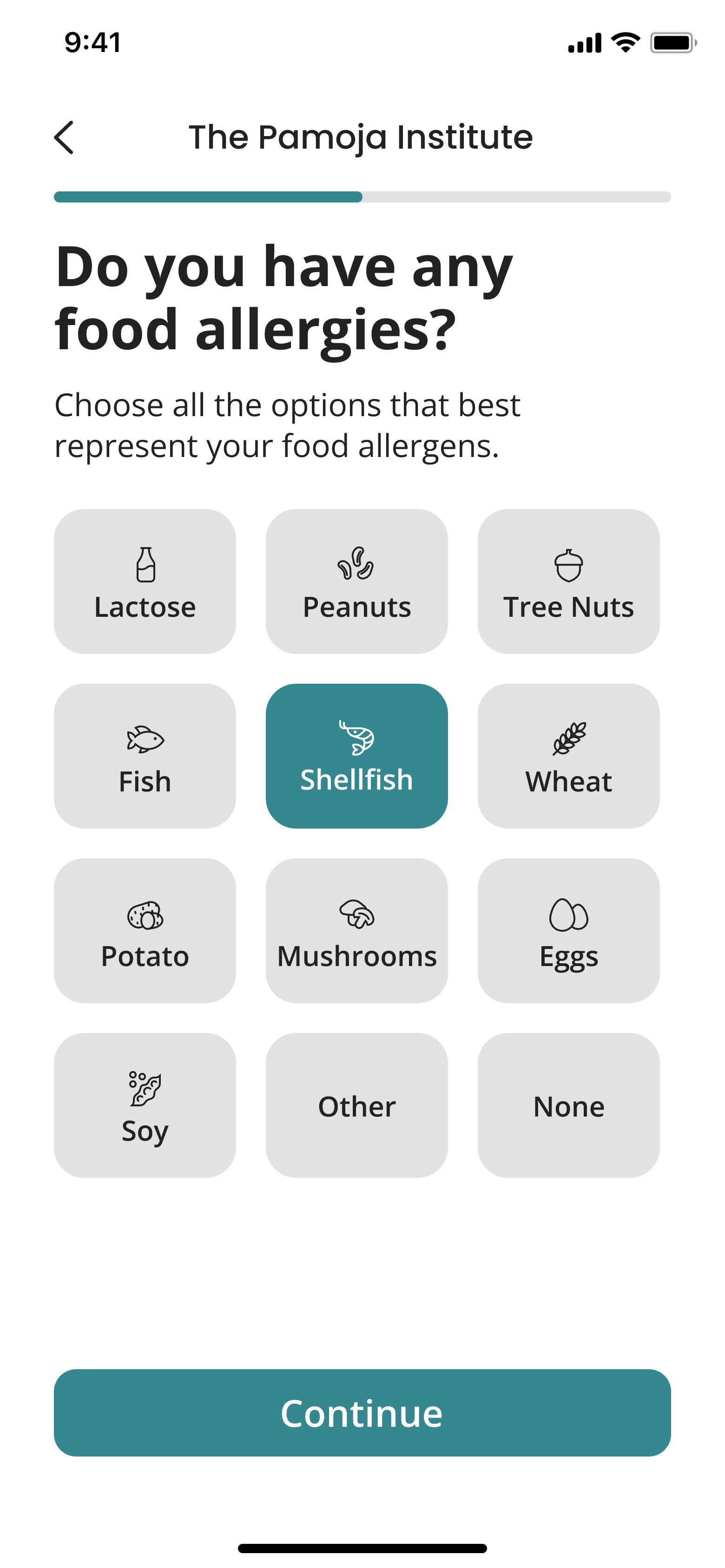
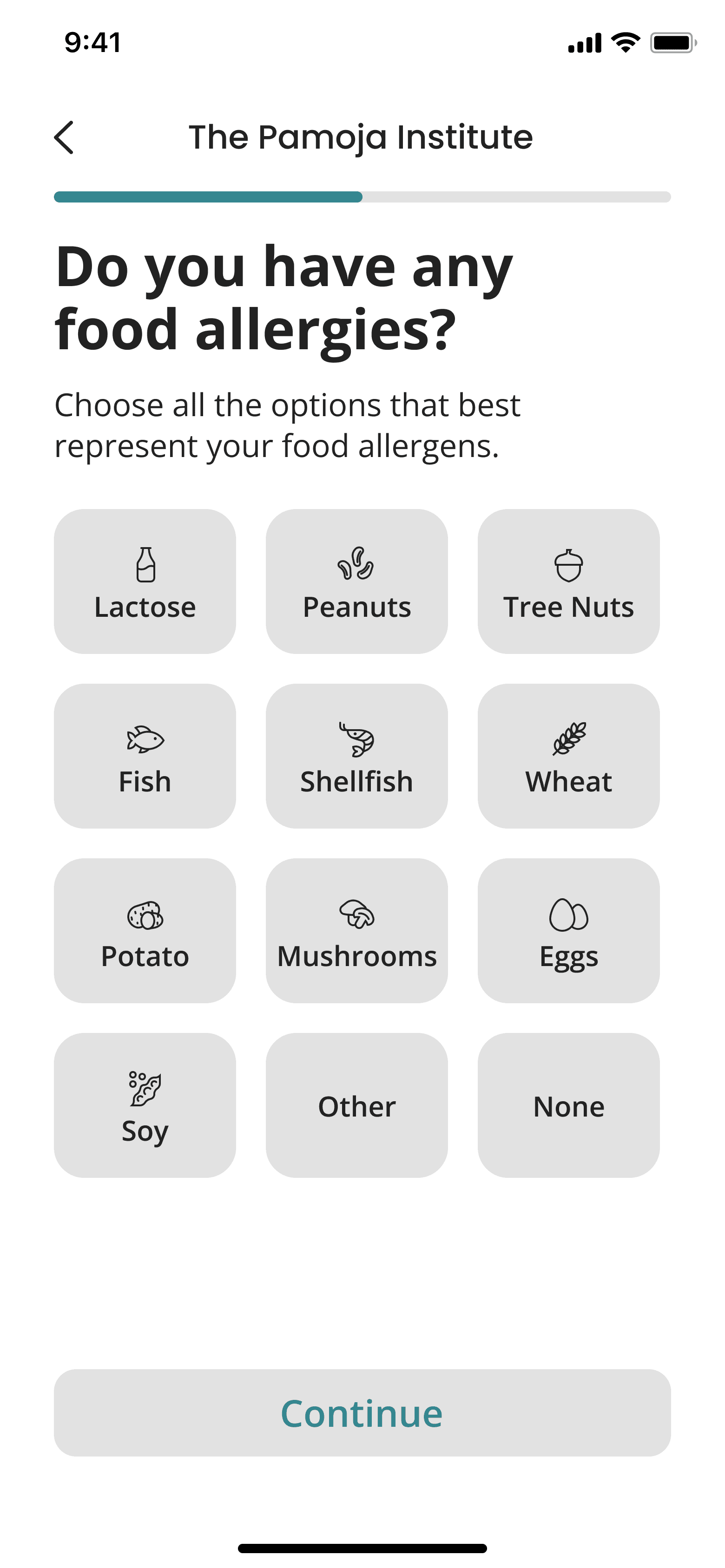
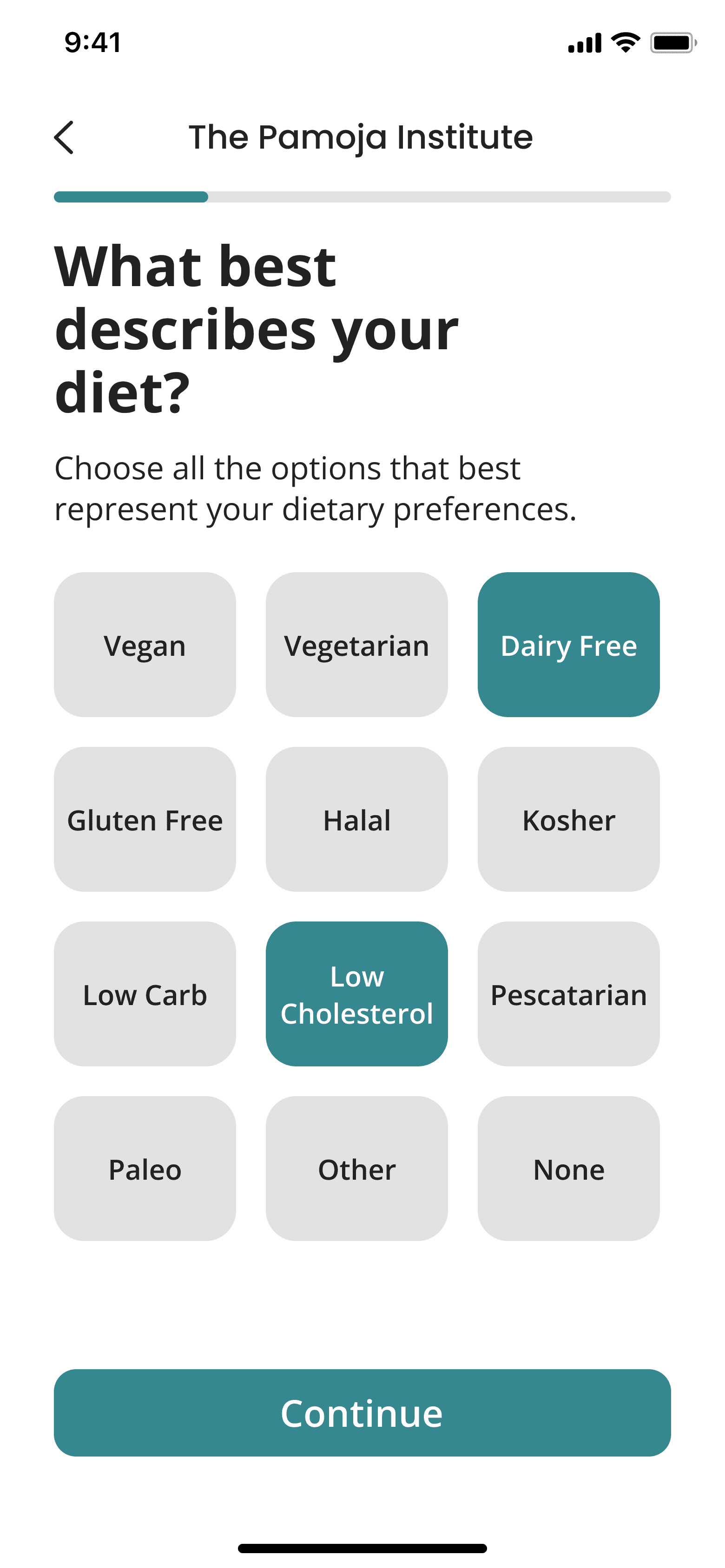
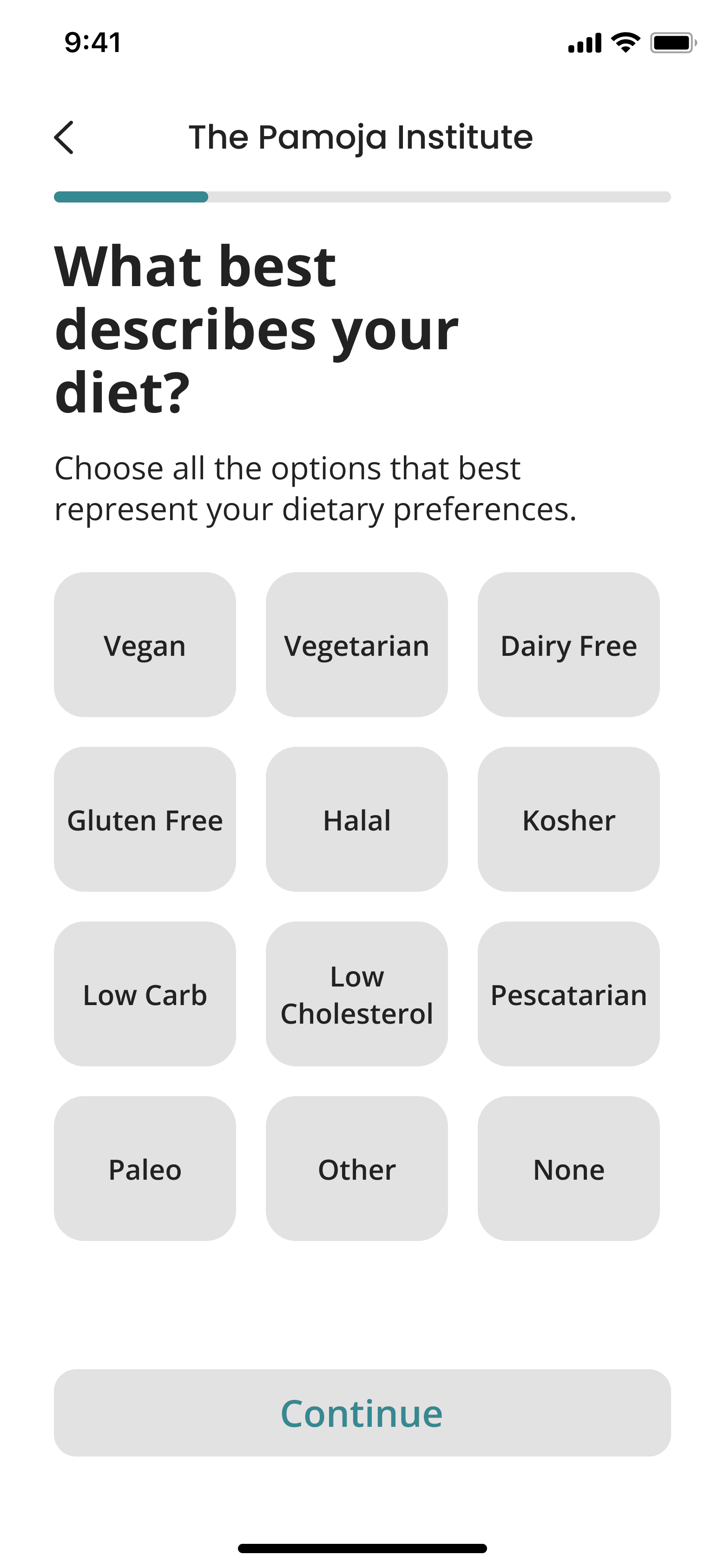
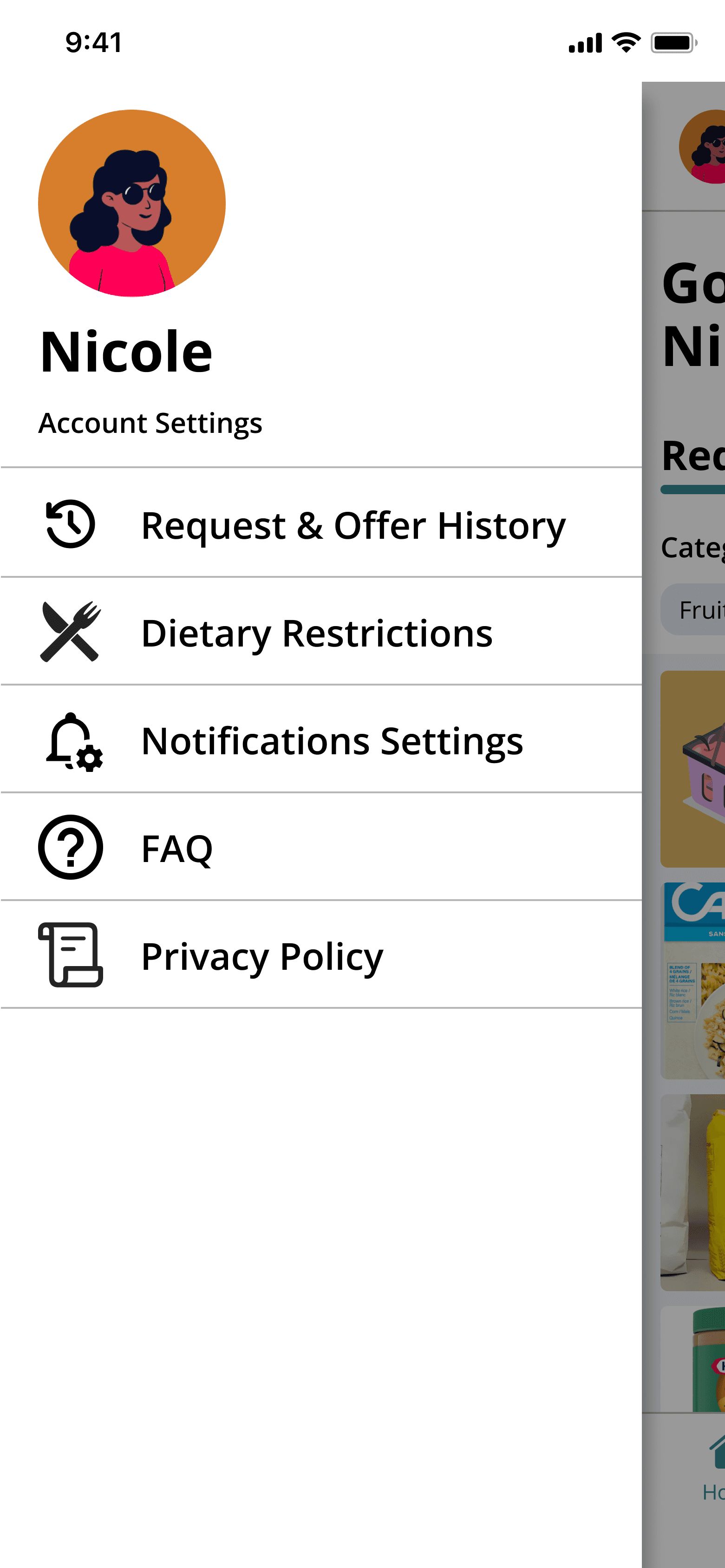
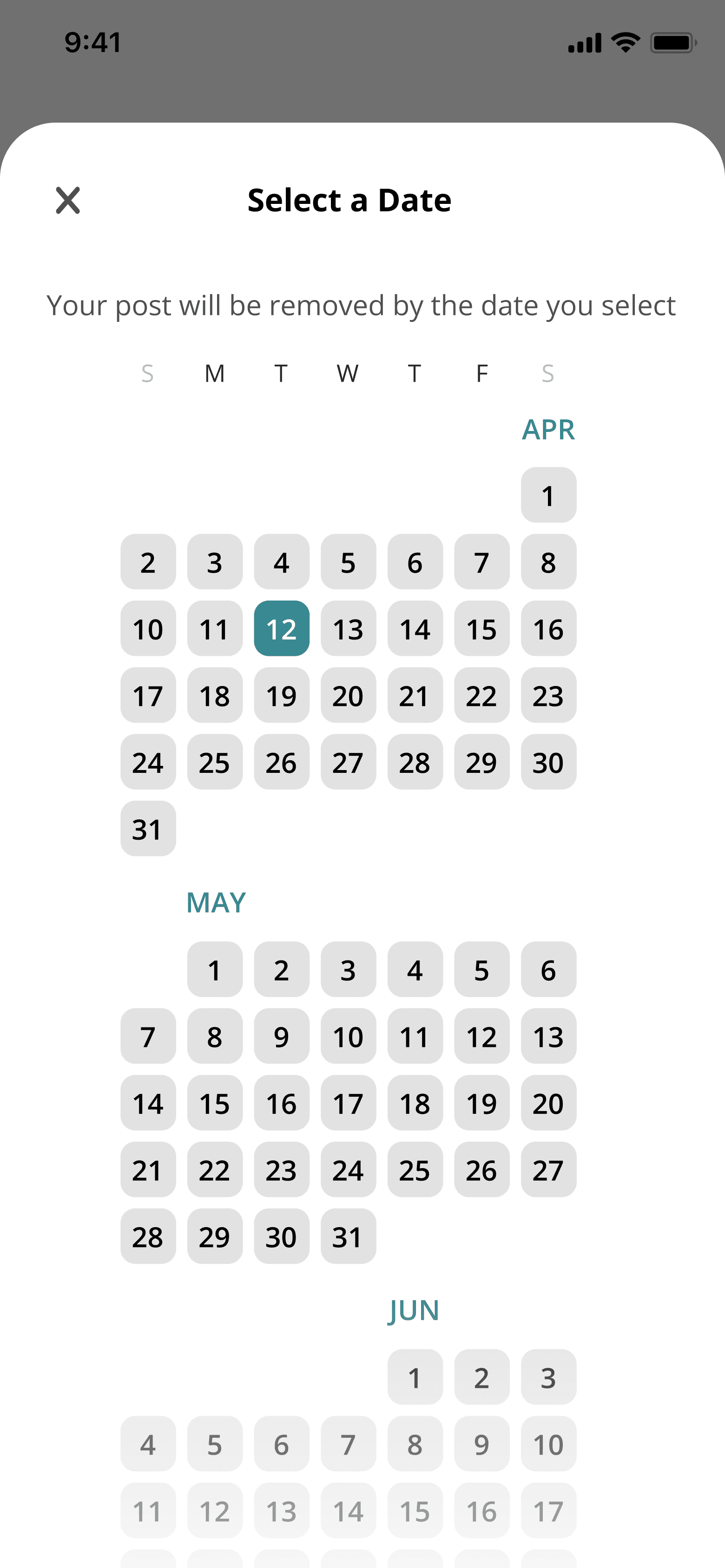
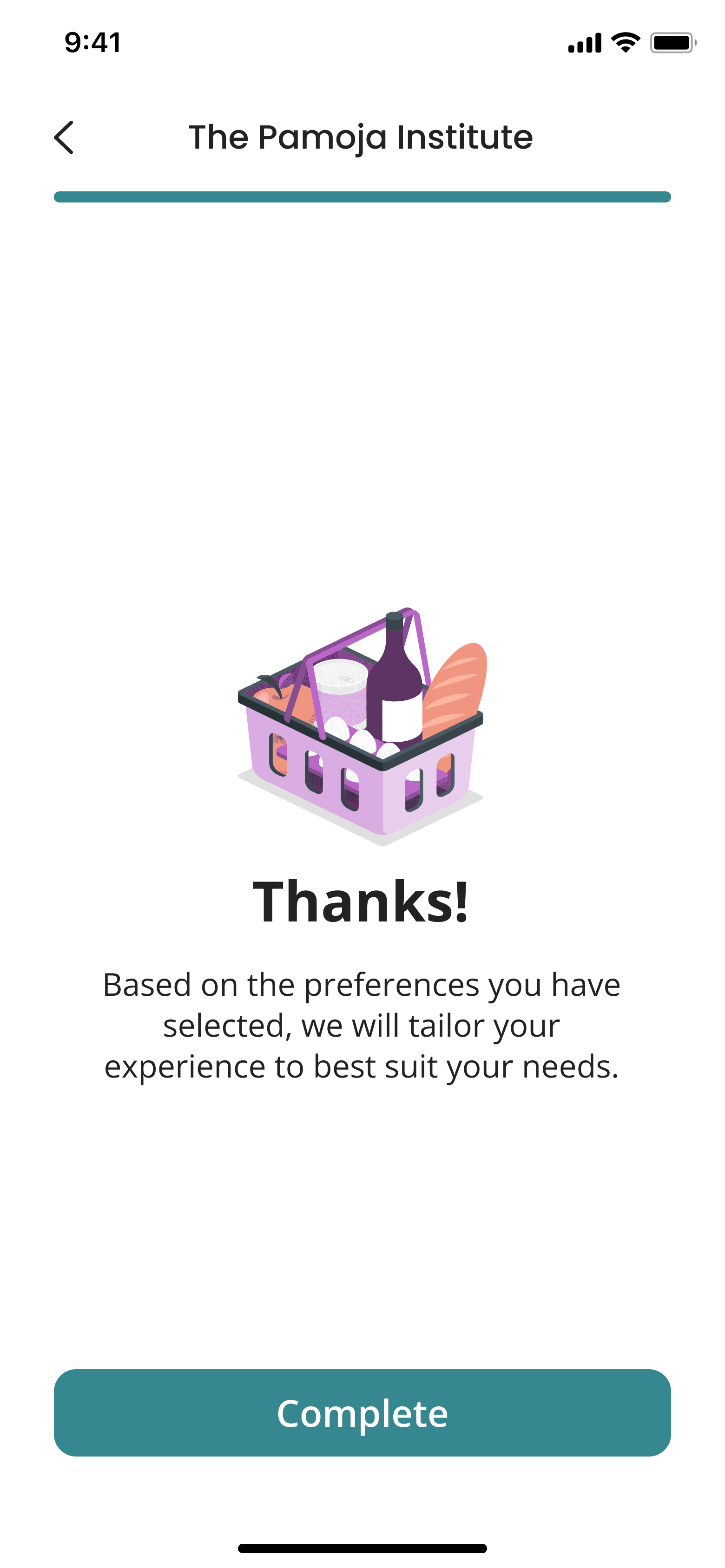
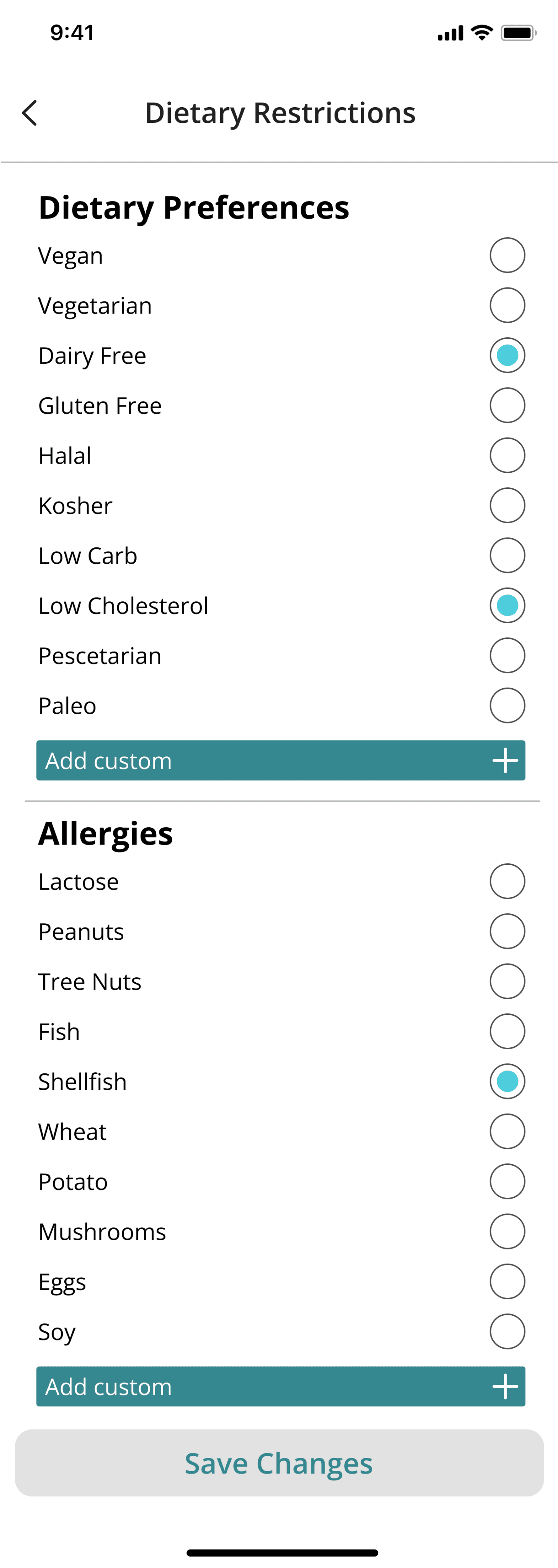
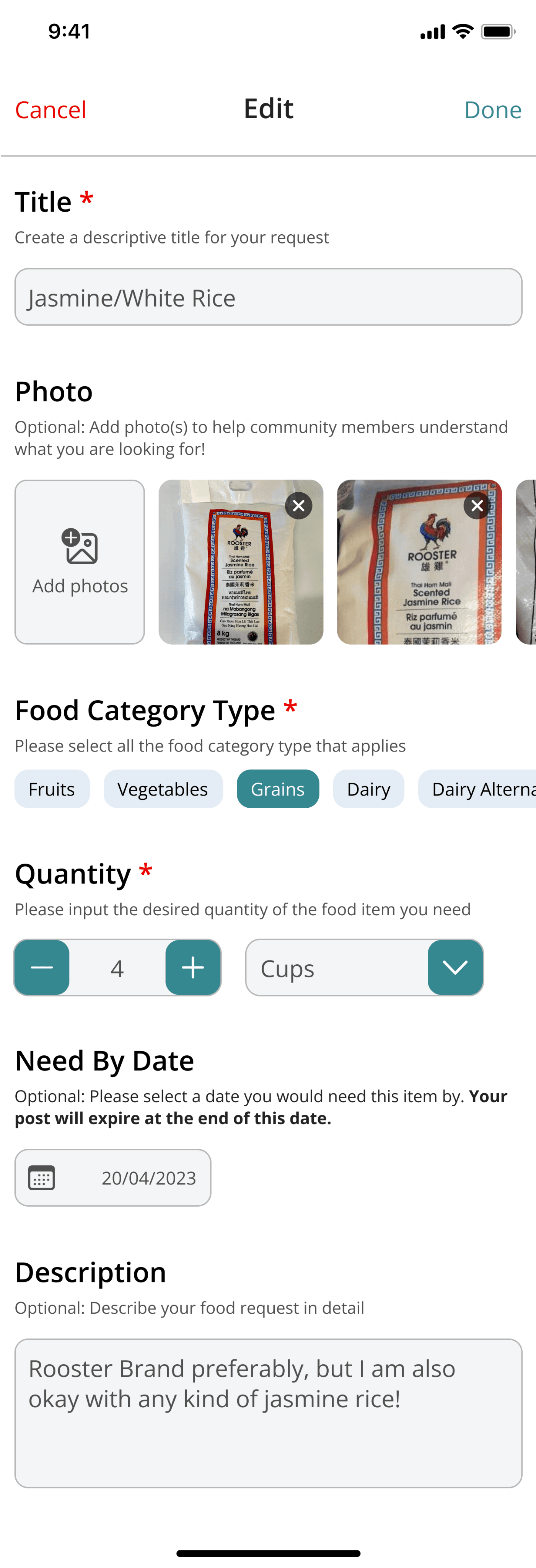
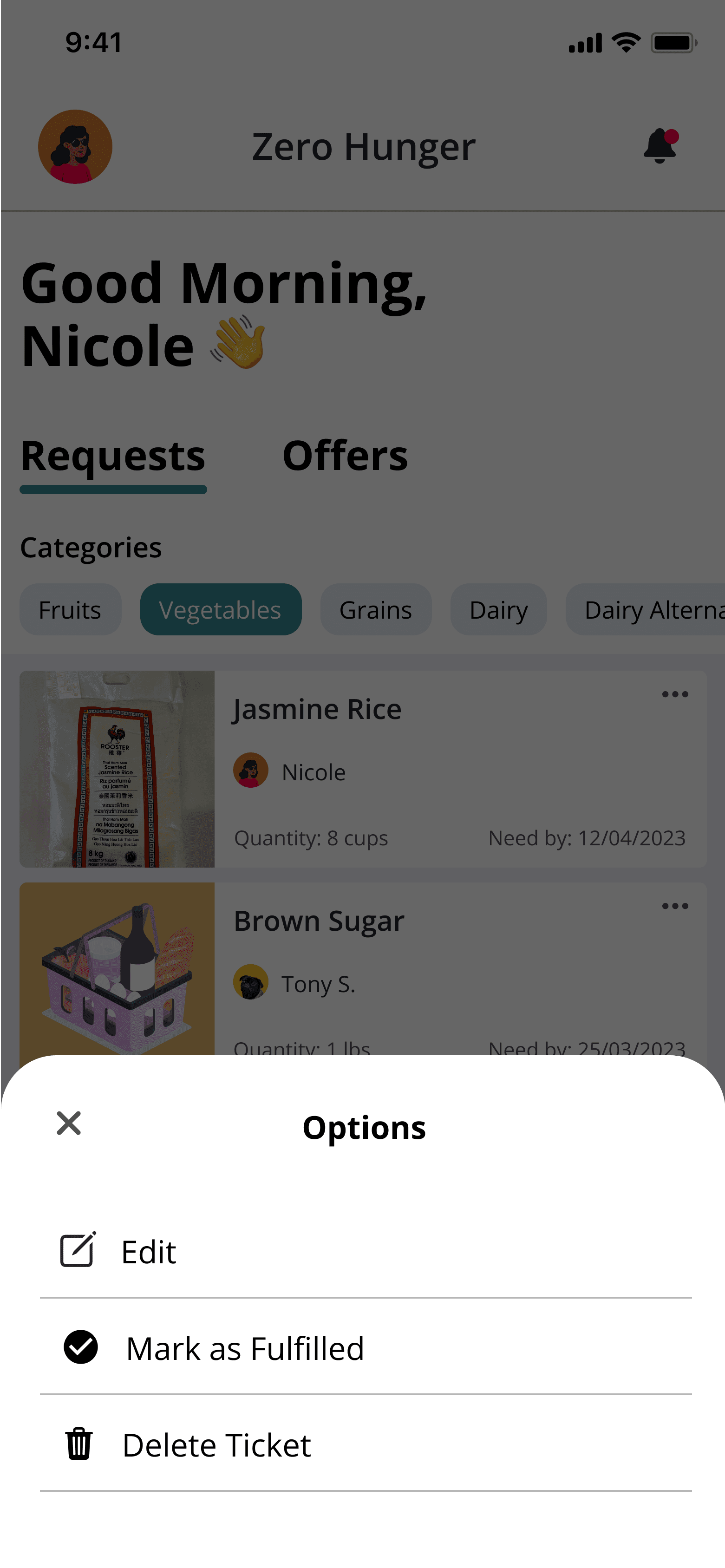
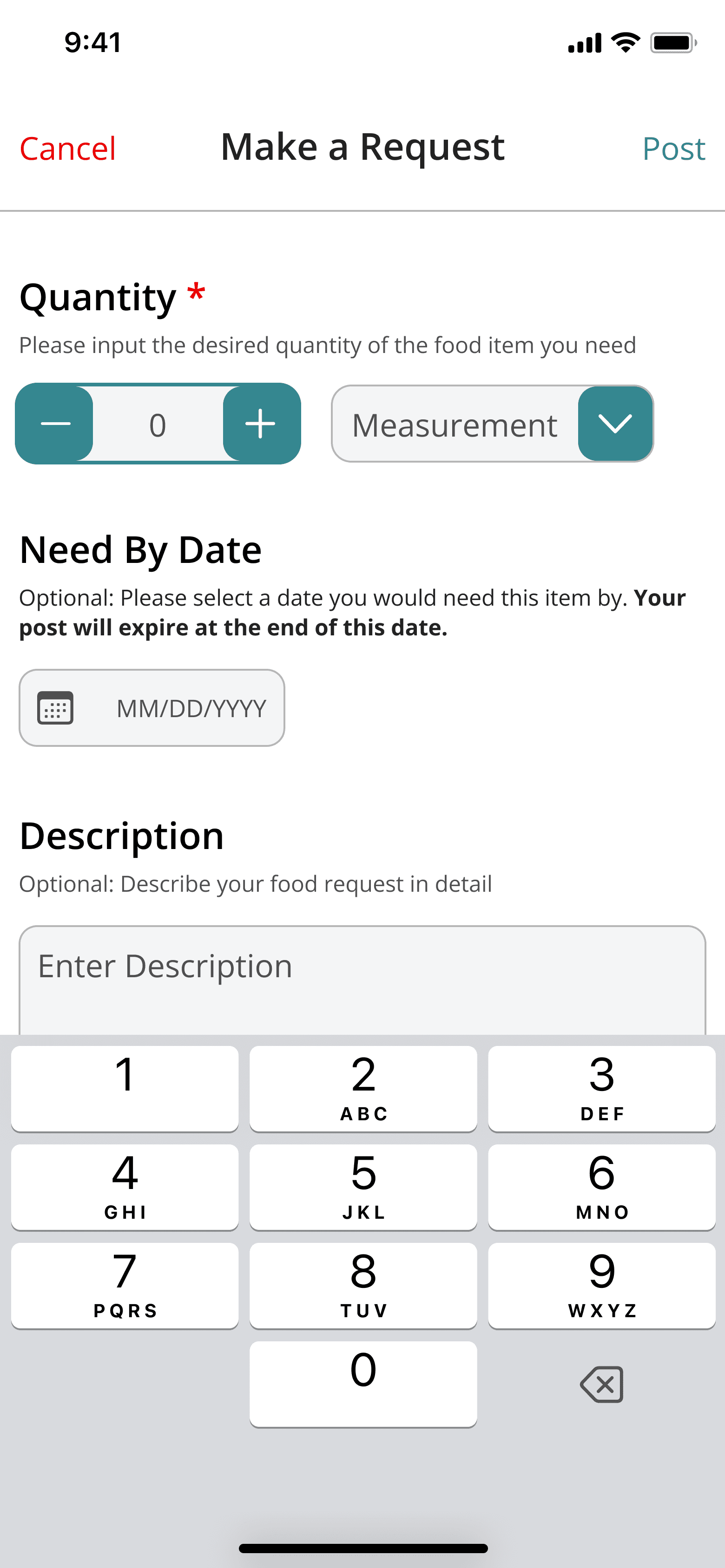
Refined the design into a high-fidelity prototype using Figma, incorporating user feedback to ensure a seamless, calming, and accessible user experience.


Evaluating Impact and Performance
User Satisfaction: Collected feedback on the app’s usability, accessibility, and overall user experience.
Community Impact: Tracked the number of successful food exchanges and the extent to which the app facilitated resource sharing among community members.
Feedback Integration: Improved the app based on user feedback, addressing any issues or suggestions to enhance the overall experience.
Lessons Learned
This project highlights the value of integrating technology with community-driven solutions to tackle complex social issues like food insecurity. Lessons learned include the value of user-centered design and the need for ongoing collaboration with stakeholders to ensure the solution meets community needs. Effective facilitation through workshops was crucial to the success of this project.