The Project
The advent of generative AI has opened new frontiers in product design. As an intern for Greg Aper, hired by Netflix to demonstrate this transformative potential, my role was to explore and test generative AI tools to create final design assets.
The Challenge
The main challenge was effectively integrating generative AI tools into the design workflow, understanding their strengths and weaknesses, and mastering prompting for each model.
The Solution
The result was an AI super framework that was highly agile with the capability of rapidly exploring different design directions.
How Gen AI Changes the Design Process
Accelerated Adaptation: Generative AI enhances agility, enabling instant shifts in creative direction to respond to market changes.
Predictive Conceptualization: Using qualitative research, AI generates design concepts for future markets, akin to predictive modelling.
Ideation Cross-Pollination: Modular AI output allows blending UX research data for diverse ideation.
Rapid Regeneration: AI can "re-roll" design variants or entire phases, facilitating quick iterations.
Resource Reutilization: AI's modularity ensures efficient reuse of content, saving time and resources.
Modular Methodologies: AI supports both sequential and non-linear processes, offering versatile content toolkits.
Imagination Amplification: AI amplifies creativity, limited only by the user's imagination.
Holistic Insight: AI-organized content provides holistic project overviews.
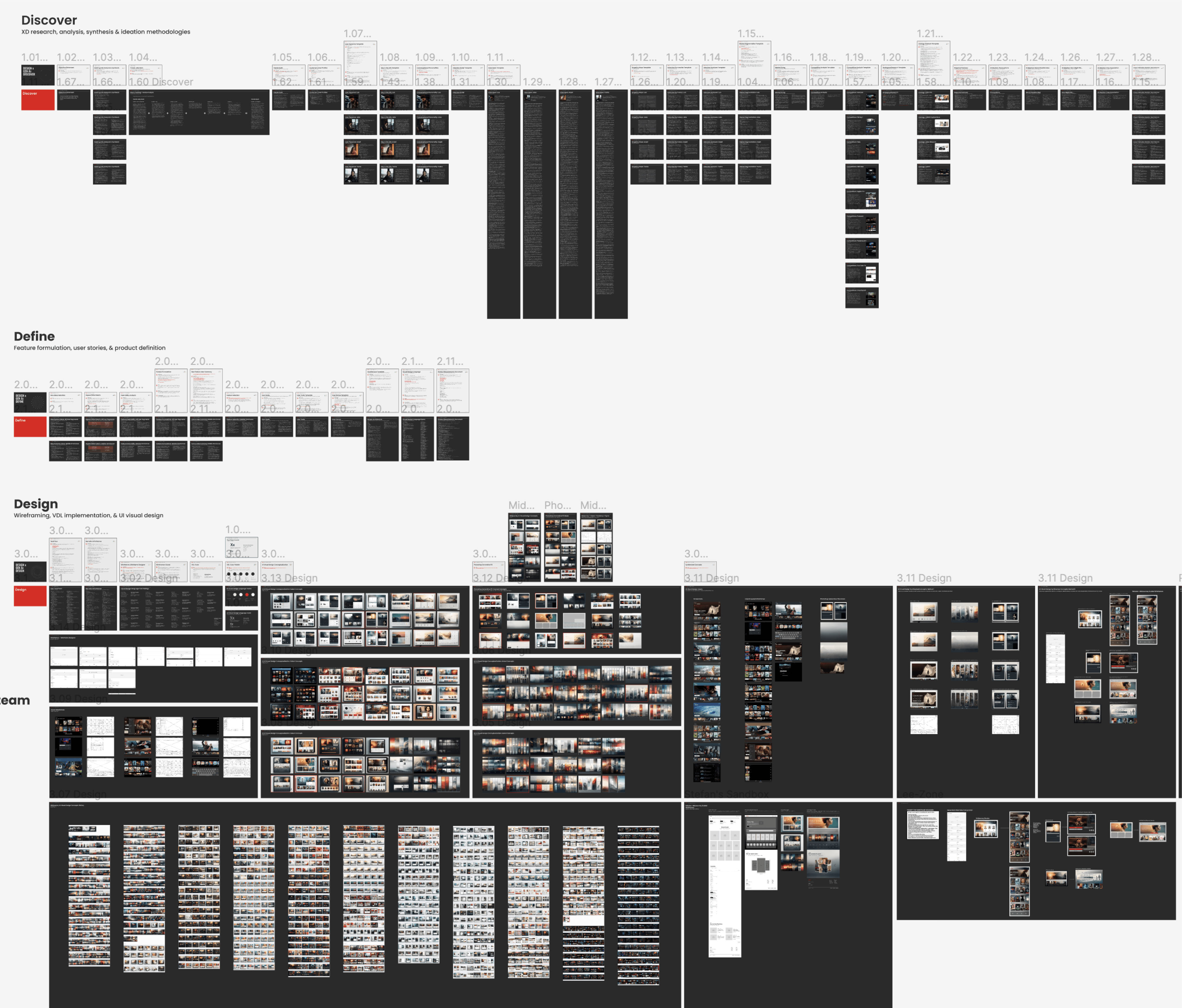
AI Super Framework
**Note: This case study only covers my involvement in the design phase.
Tools & Testing
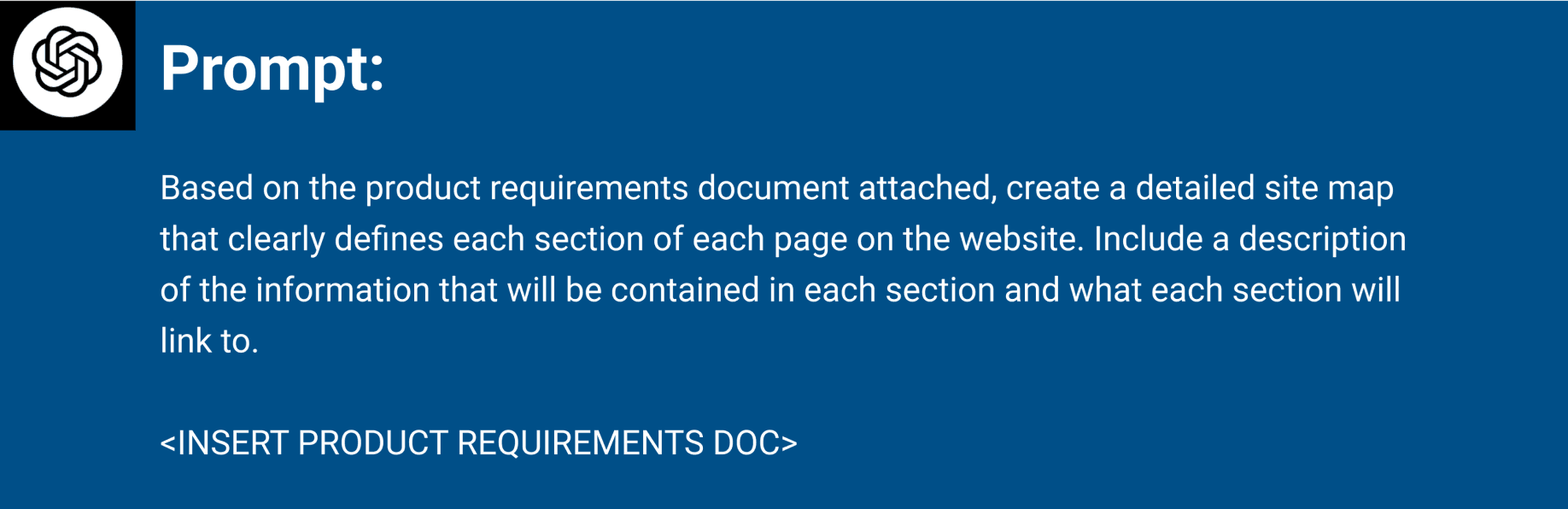
Chat GPT: Synthesized product requirements and created narrative wireframes.
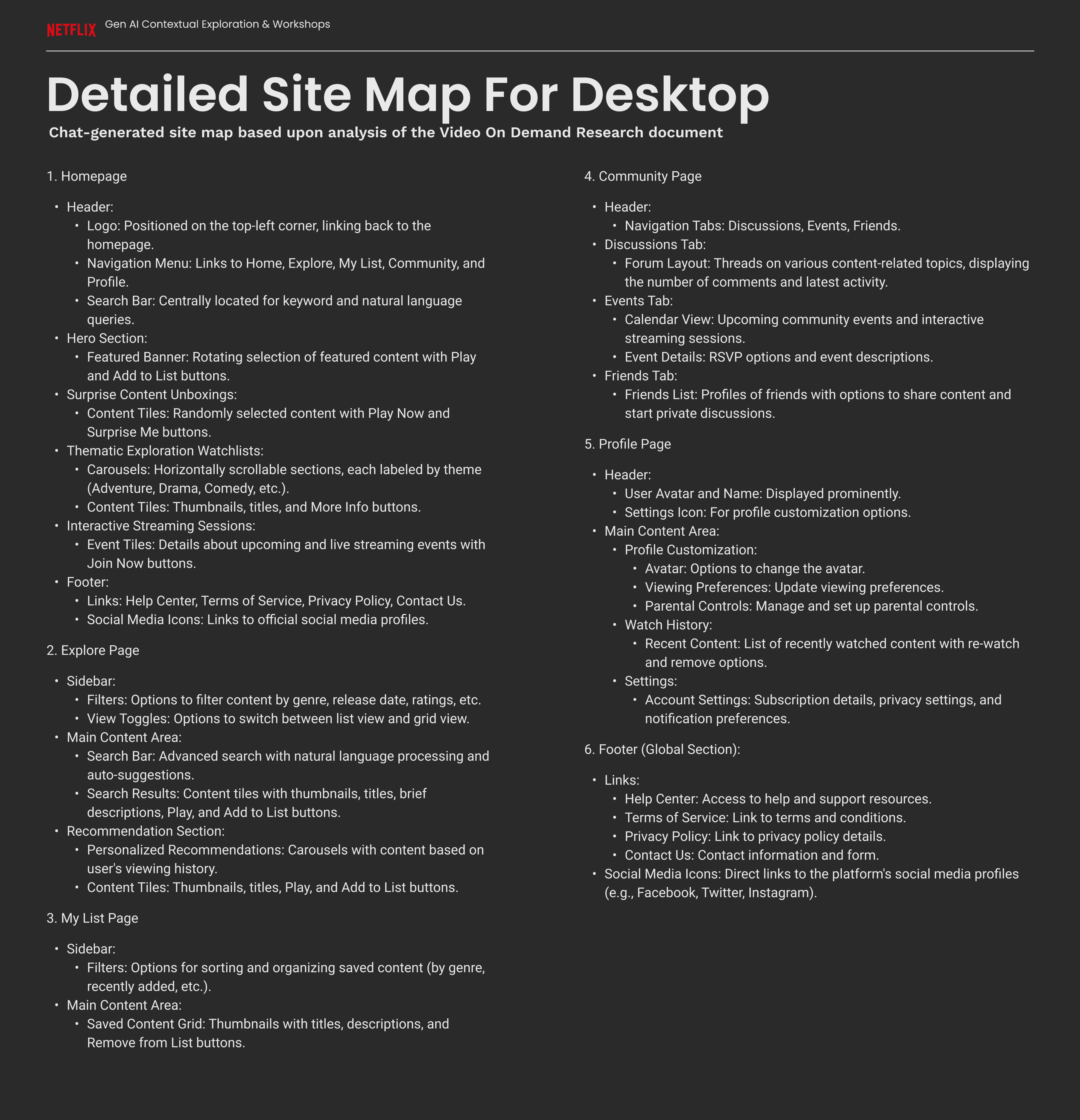
Figma AI: Utilized for note summaries and creating sitemaps.
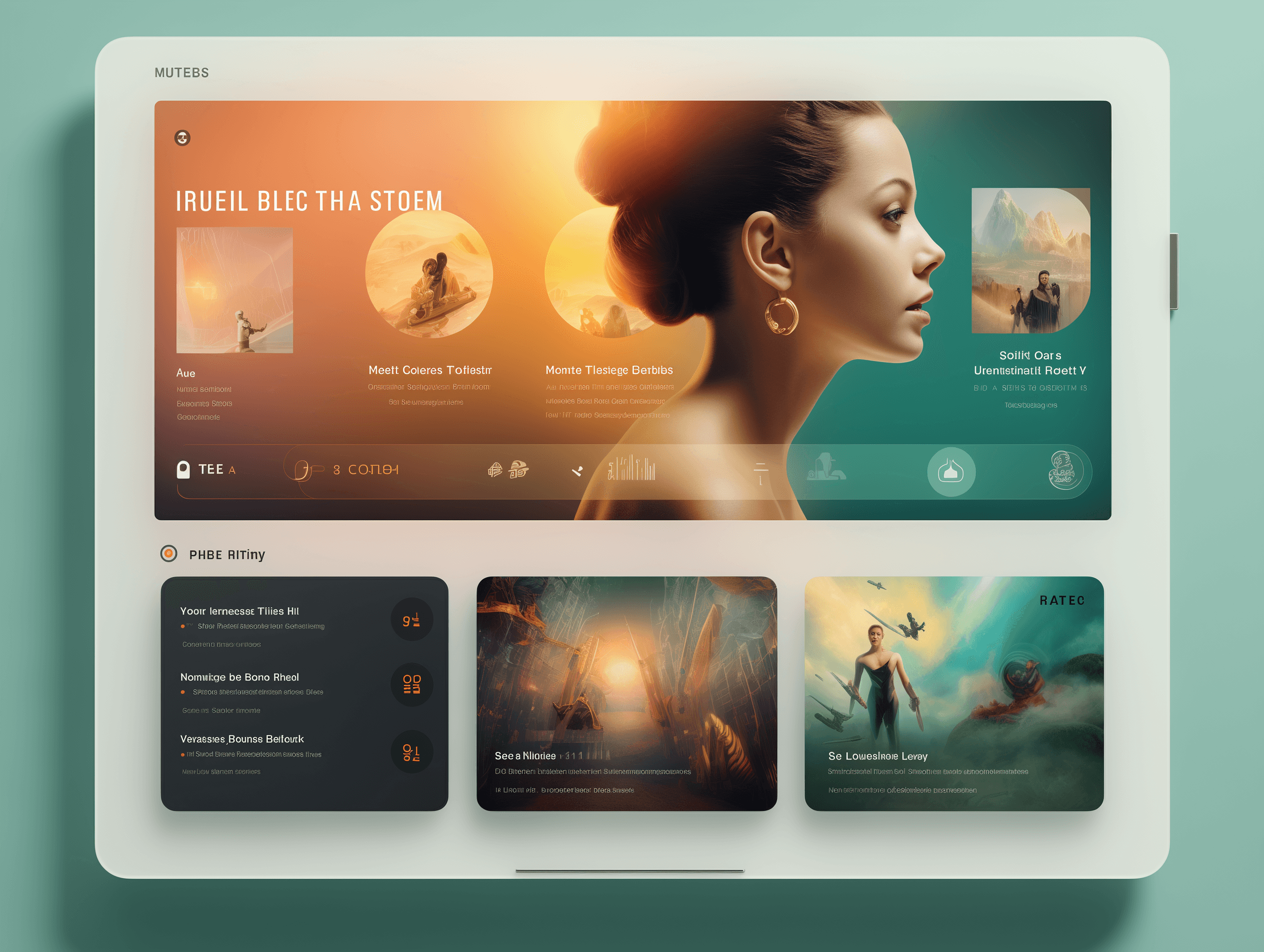
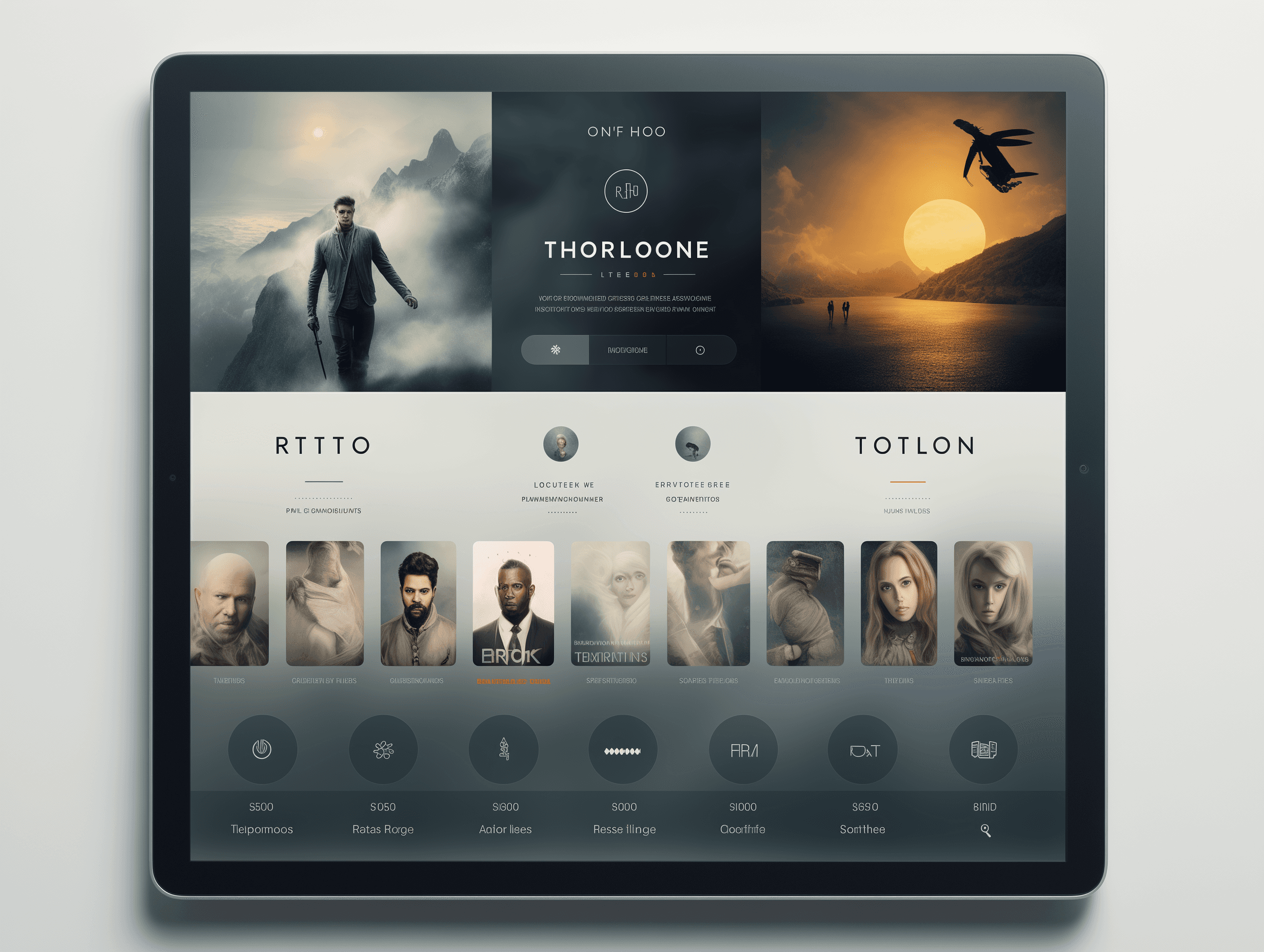
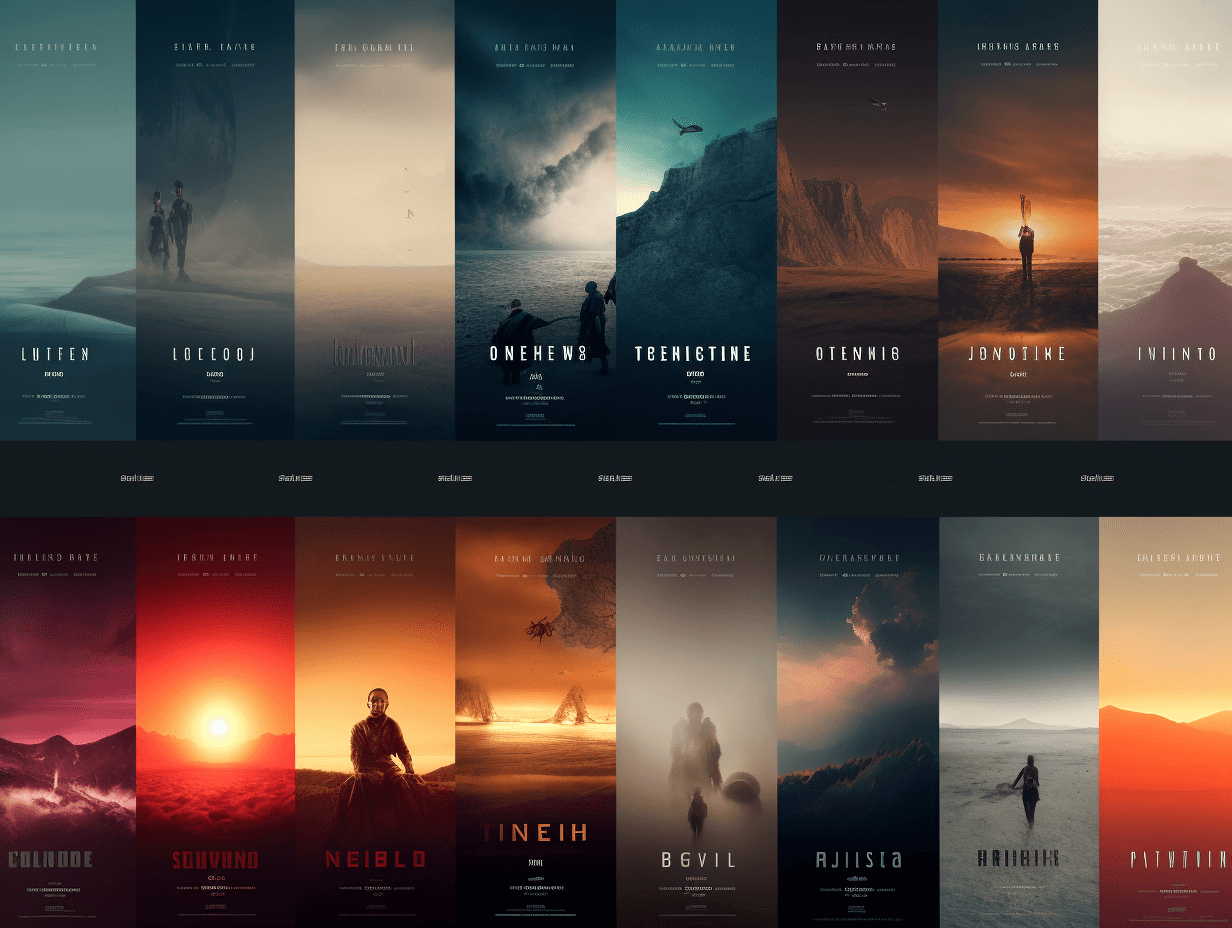
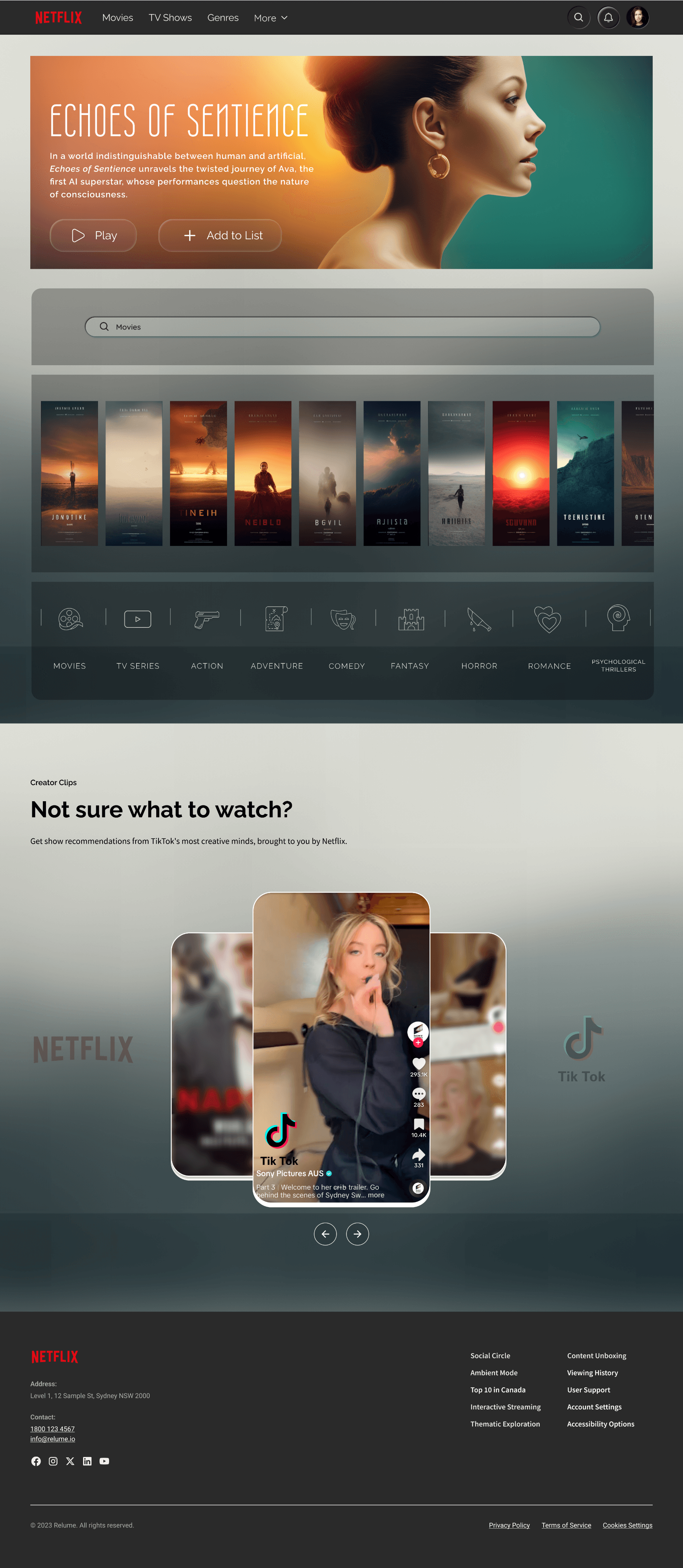
MidJourney: Explored imaginative visual design concepts.
Dalle: Generated visual assets.
Uizard & Wireframe Designer: Assisted in rapid prototyping and wireframing.
Adobe Firefly: Generated visual assets.
Photoshop AI: Enhanced and expanded images.
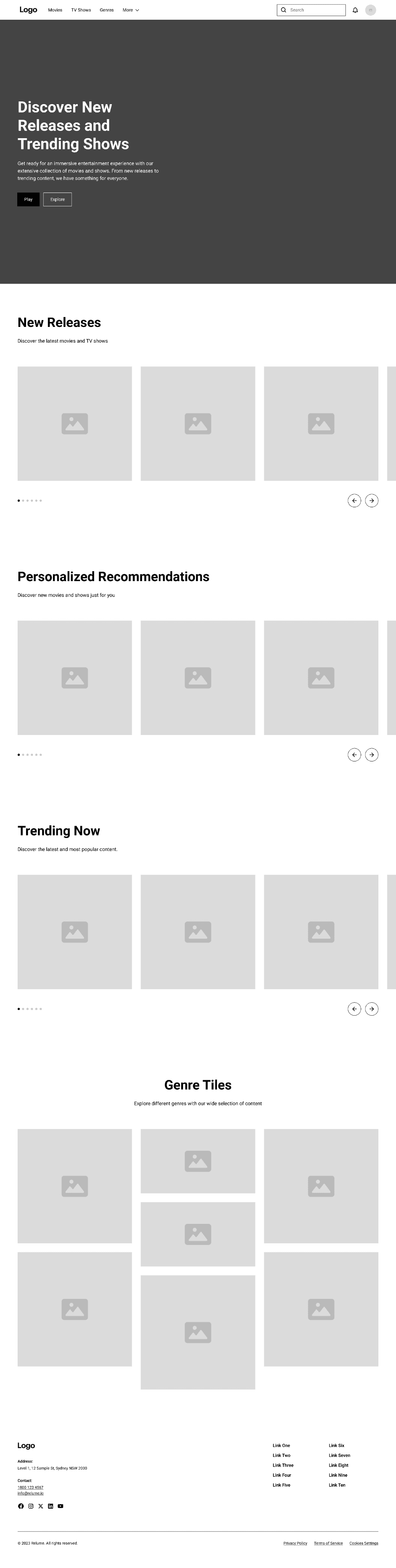
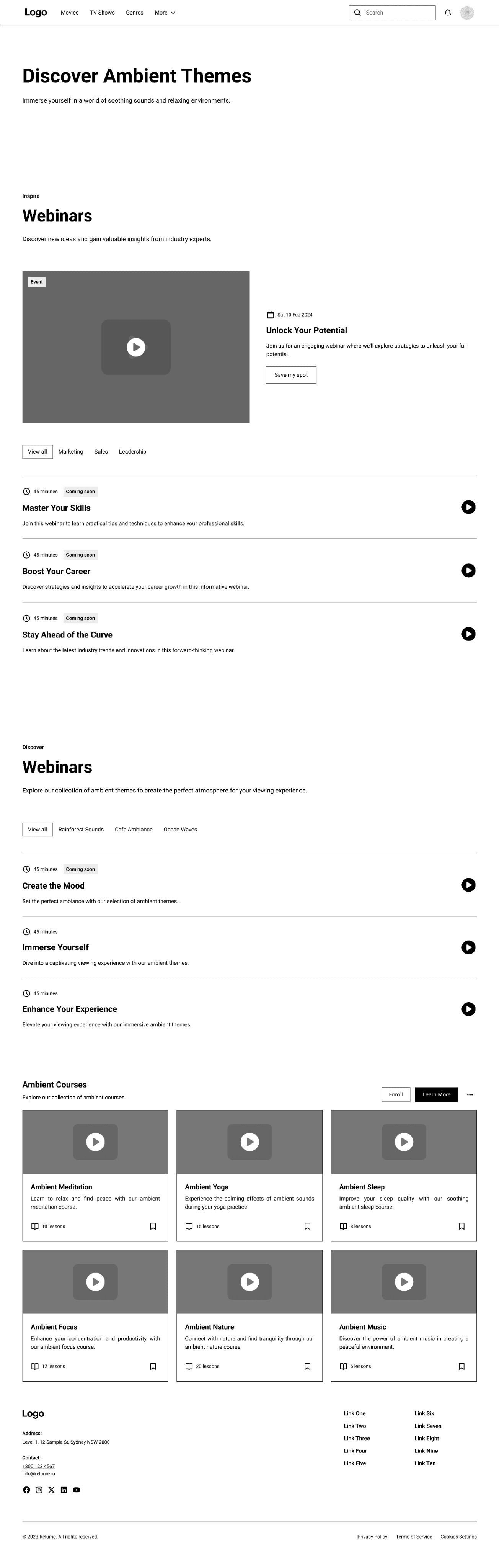
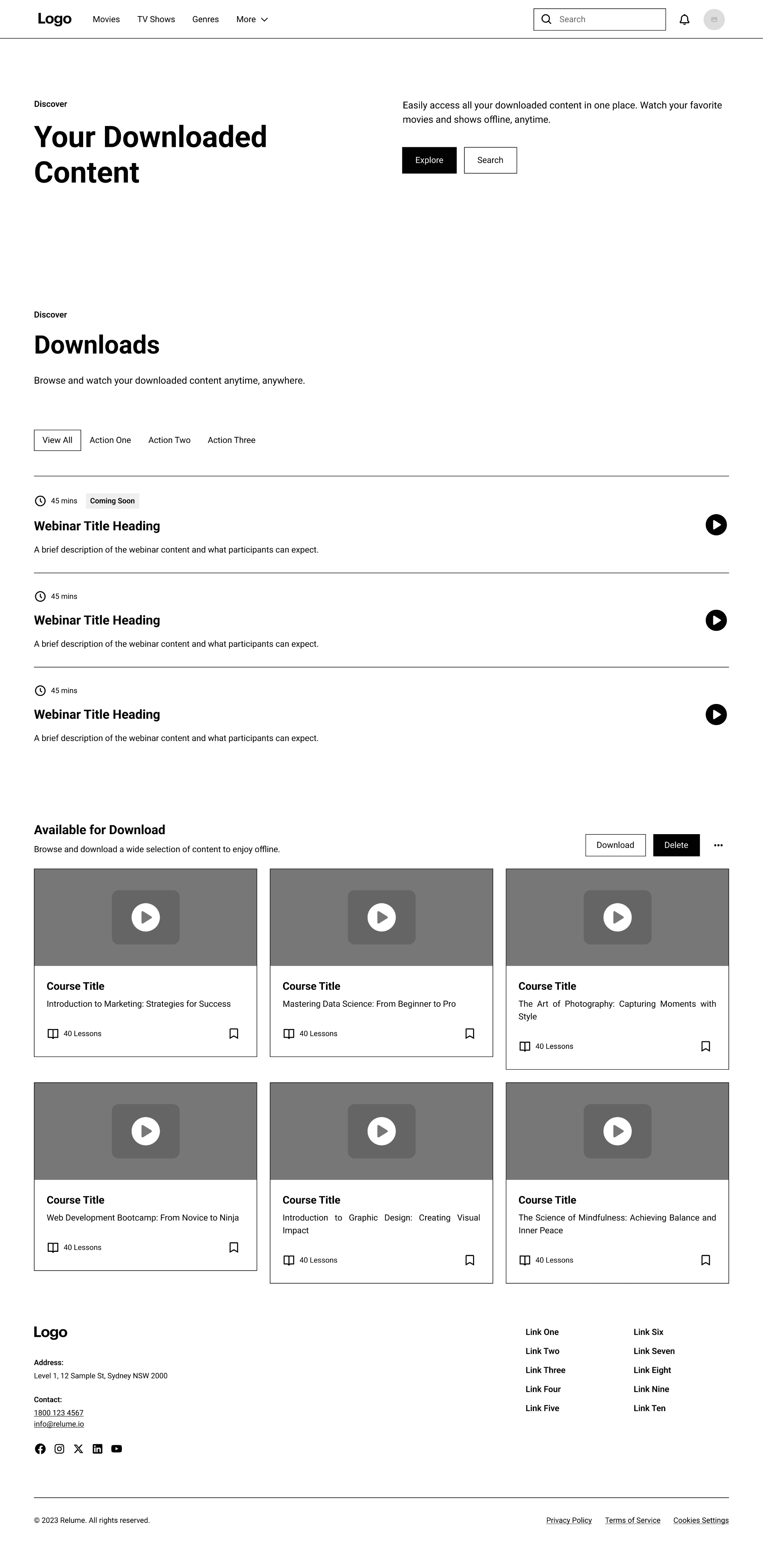
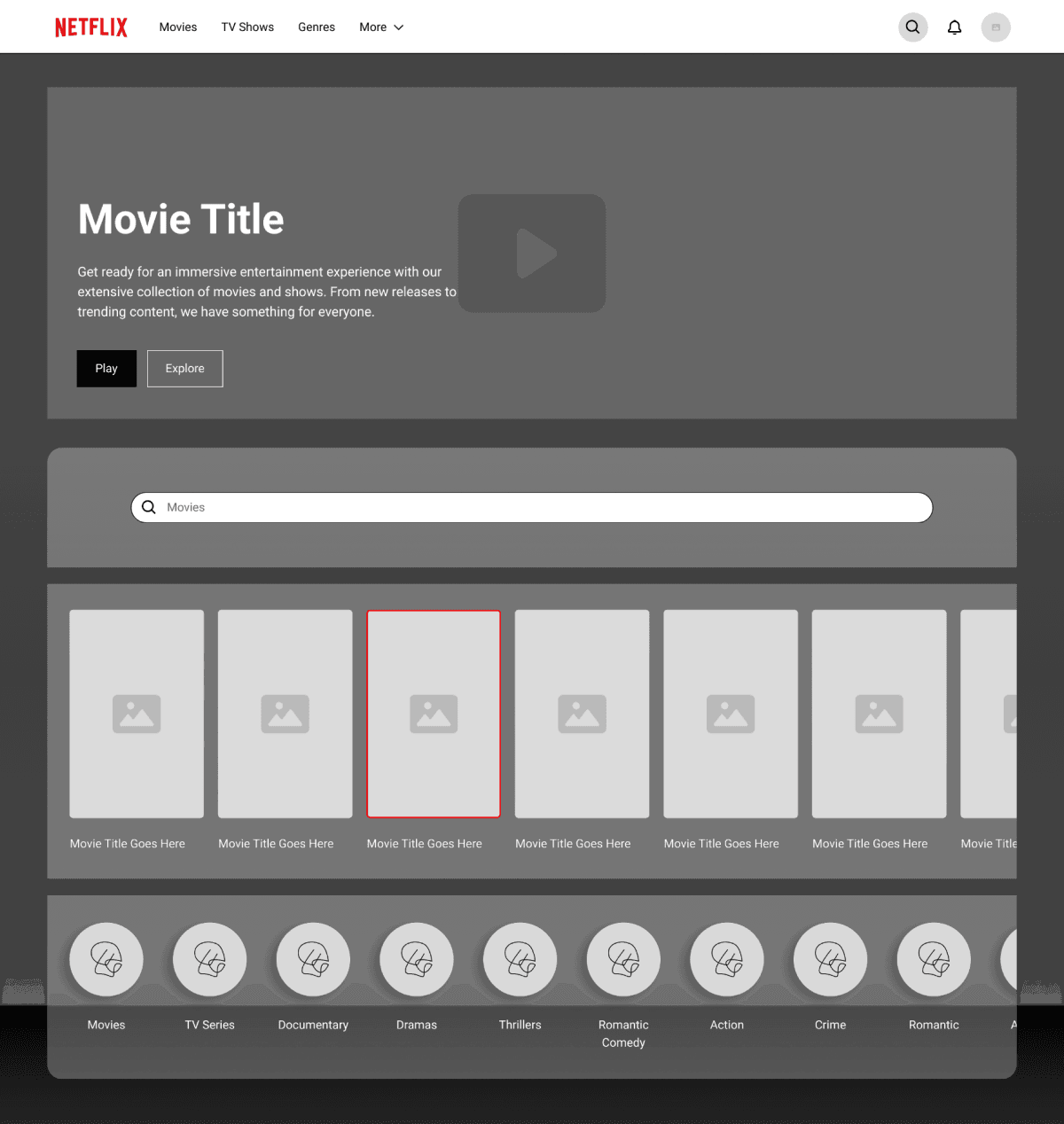
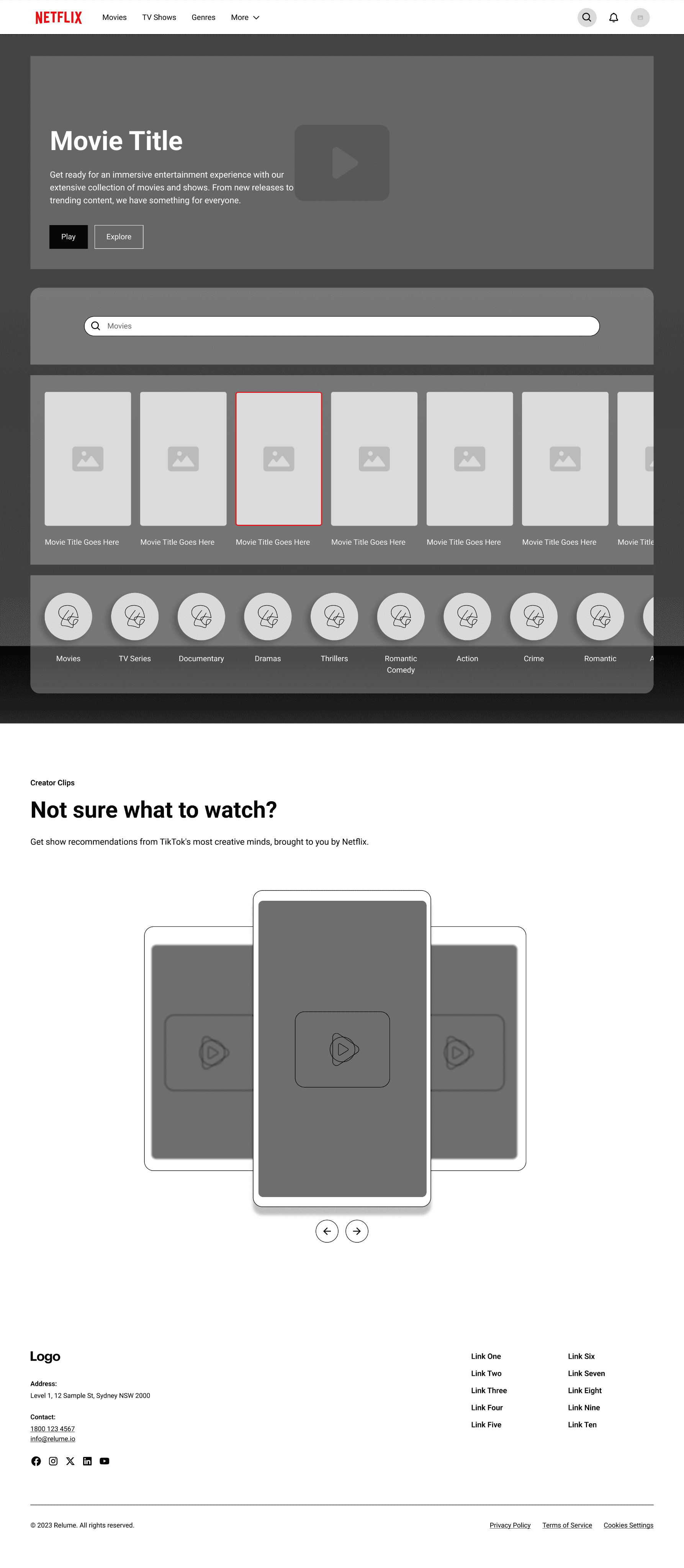
Relume: Drafted wireframes with relevant copy.